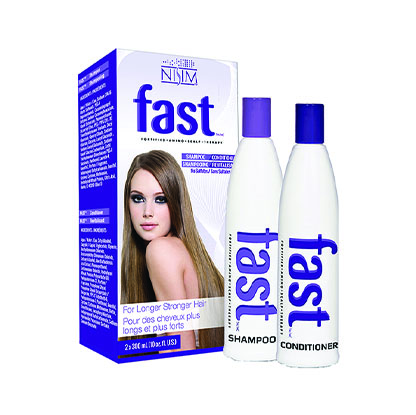
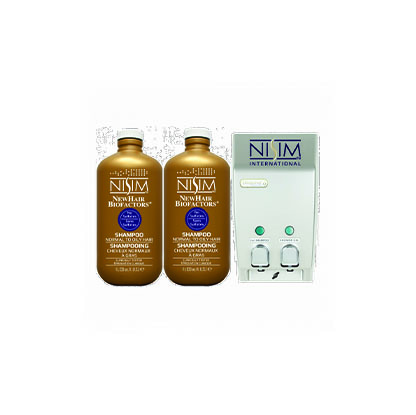
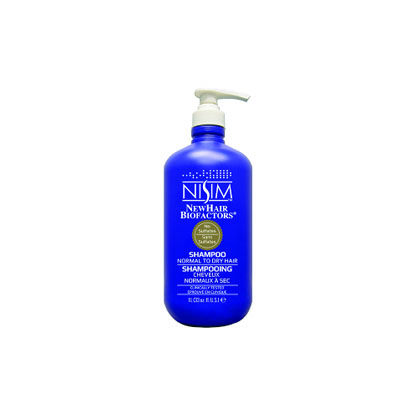
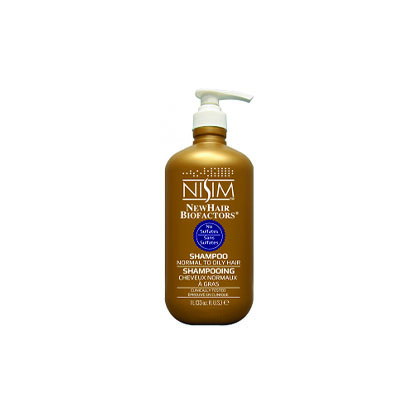
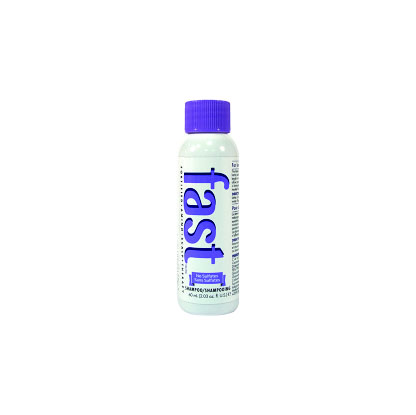
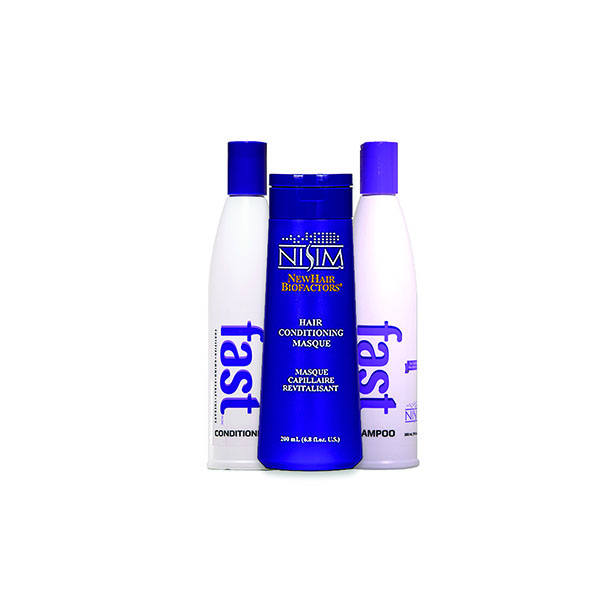
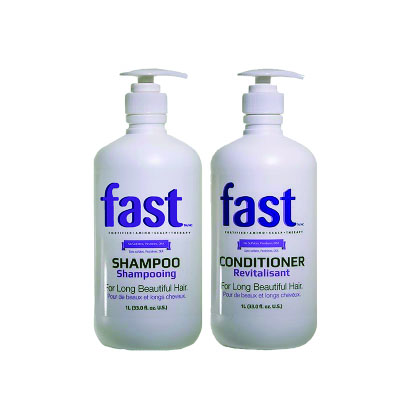
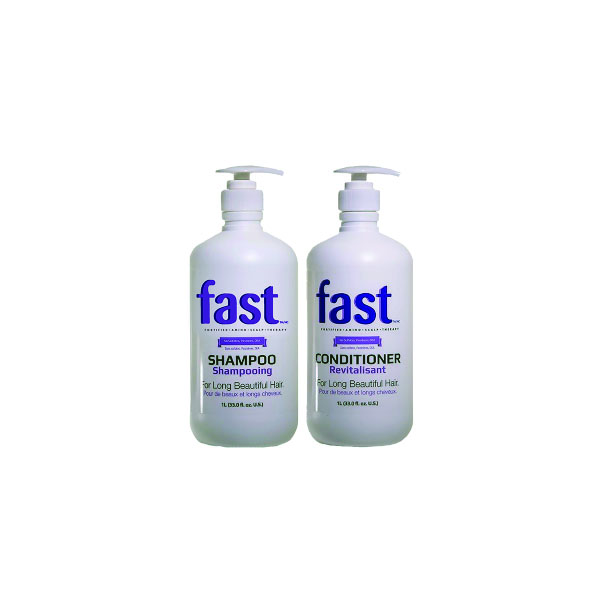
Nisim International has been in business for over 25 years producing quality hair products guaranteed to what they say they will do.
Parabens are a common kind of preservative used in hair care products. They are put in cosmetics to assist them to endure longer and prevent bacterial growth.
There is some doubt about whether or not parabens can cause hair damage. Some professionals think they can, while others disagree. What is certain, however, is that parabens can irritate the scalp in some people, resulting in hair loss and other hair problems.
If you're concerned about parabens' impact on your hair, you might want to avoid using any items that contain them. There are several excellent hair care goods on the market that are paraben-free or contain very little amounts of this preservative.
Despite the fact that Parabens have been linked to hair damage in some studies, scientists have yet to establish whether hair loss is caused by them.
The most worrisome aspect of parabens is that they can damage your hair. They are estrogenic, which means they have the ability to mimic estrogen in the body. Excess estrogen has been linked to a number of problems with one's hair.
Parabens can also cause dryness and frizziness in your hair. Because they might deplete your hair's natural oils, resulting in a lack of luster and a healthy texture, they can do so. If you use paraben-containing products on a regular basis, your hair may become more brittle and prone to breakage.
Fortunately, avoiding parabens is easy if you use cosmetic products that don't include them. Paraben-free hair care solutions are available from a variety of companies, so it's simple to discover something that works for you. You can help preserve the health and integrity of your hair by following a paraben-free hair care regimen.
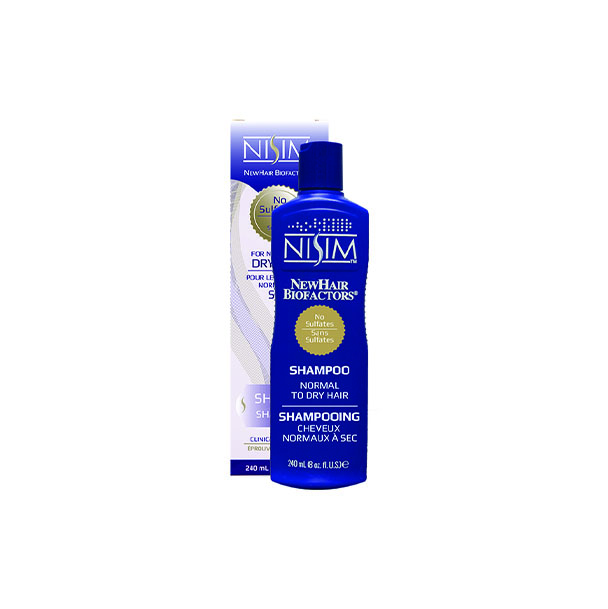
Parabens in Your Beauty Products: How They Can Affect Your Skin and Hair
Parabens can have a variety of negative effects on the body, including endocrine disruption and cancer. Paraben chemicals are used to preserve cosmetics and personal care goods. The tissue permeability may be increased when you apply these products directly to your hair, skin, or nails in order for them to be absorbed more quickly into the body.
Hair lotions that contain parabens should be avoided because they can cause hair damage. According to a study done by the Department of Dermatology at the University of California in San Francisco, hair products with synthetic hair preservatives such as methylparaben and propylparaben have been shown to promote hair loss due to the fact that hair strands are exposed to hair lotion on a daily basis.
According to a recent study published in the American Journal of Clinical Dermatology, hair dyes, hair sprays, and hair waxes that include parabens are responsible for hair loss. According to the study, hair dyes are to blame for damage to your locks because they aren't stable enough to withstand heat from blow dryers or flat
Sulfates are salts produced through the combination of sulfuric acid with other natural or synthetic substances. Sodium lauryl sulfate, ammonium lauryl sulfate, and sodium Laureth sulfate are all common sulfates used in hair care products.
Sulfates can be harsh on your hair and scalp, resulting in dryness, flakiness, and discomfort. They can also deplete the natural oils in your hair, resulting in frizziness and a lack of shine. Sulfates are also known to be unpleasant to the eyes, so if the shampoo gets into them, it's likely
Parabens have been linked to a variety of health problems, including infertility and cancer. They're also believed to interfere with the hormone balance in your body and can cause hair follicles to starve as a result of their ability to prevent certain critical nutrients from reaching vital regions of your hair. Hair is nourished by sebum, an oily substance generated
When parabens are applied to hair, they can interfere with the natural sebum production of the scalp. This affects the hair's lipid balance and makes it drier, brittle, and prone to breakage. Hair products containing parabens can also cause scalp irritation and contact dermatitis, a skin condition marked by redness, itching, and
Many of these disadvantages may be avoided by using hair products that do not include parabens. There are several excellent alternatives available on today's market that are free of this hazardous chemical. Look for shampoos, conditioners, and styling products that are paraben-free when shopping for them.
It's crucial to remember that not all parabens are created equal while shopping for hair products. Some forms of this chemical, such as methylparaben and ethylparaben, are more hazardous than others. It is preferable to avoid hair products that include any type of paraben.
You can safeguard your hair from the negative effects of parabens by reading the ingredient list on your hair products. Choosing shampoo and conditioners that are free of this dangerous chemical will help to keep your hair healthy and stunning.
How Do Parabens Work?
The anti-microbial chemicals in shampoos, conditioners, and other hair products assist to keep them safe by preventing germs from developing. Hair treatments are absorbed into the hair shaft and transported throughout the body via the hairs follicles after application to your locks. As a result, if any hazardous chemicals are included in hair care solutions, they will
You may be hesitant to use the next hair product after learning how parabens can damage your hair. Parabens have been linked to a hormone-like effect in the body that some claim is connected to breast cancer. Although there are no direct connections between paraben-containing shampoos and cancer risk, some people choose not to use
Parabens aren't the only hazardous substances found in hair care products. Other chemicals, such as sulfates and phthalates, have similarly been linked to hair damage. Sulfates are harsh detergents that can strip natural oils from the hair, causing it to become dry and frizzy. Phthalates are fragrances that are
What can you do to avoid hair damage caused by parabens and other hazardous chemicals?
Before you buy any hair care product, read the ingredients list first. If you find any of these hazardous chemicals on the ingredient list, look for a substitute that doesn't include them. You may also attempt to create your own natural cosmetics at home using natural elements. There are several recipes available on the internet to assist you in making your own shampoo,
You may take preventative measures to keep your hair healthy by being aware of the risks posed by parabens and other hazardous chemicals.