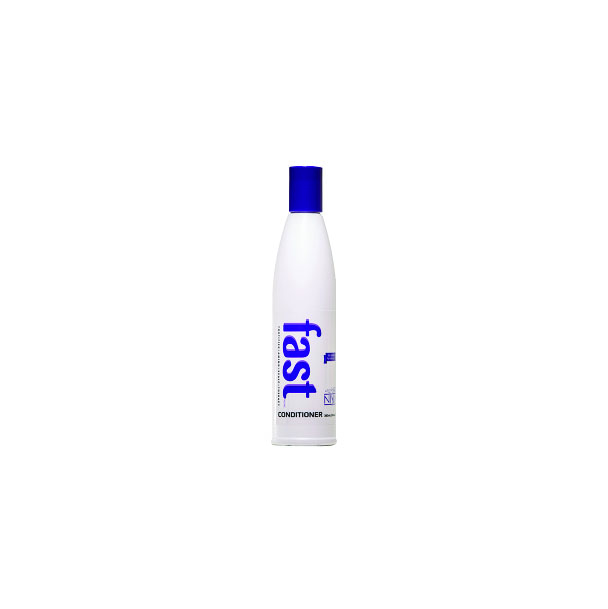
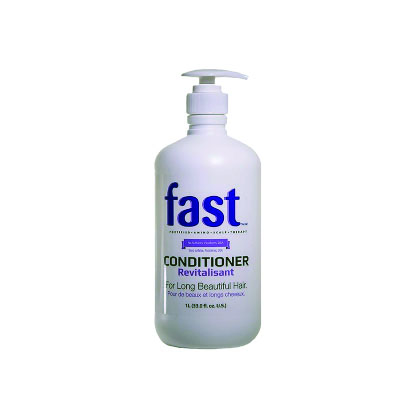
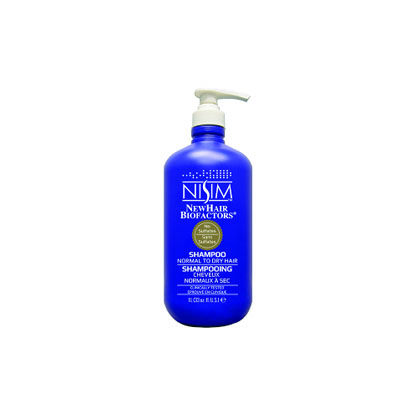
Nisim International has been in business for over 25 years producing quality hair products guaranteed to what they say they will do.
It's no secret that hairstyles can take a toll on your hair. But what you may not know is that some hairstyles are more damaging than others, and even worse, some hair products contain harmful chemicals that can damage your hair over time.
One such chemical is toluene, which is found in many hair dye products. Toluene can cause your hair to become dry, brittle, and damaged. It can also lead to scalp irritation and other health problems. So if you're looking for a new hairstyle, be sure to avoid any products that contain toluene.
Toluene is a solvent that is often used in hair dye because it helps the dye to penetrate the hair shaft. It can also be used to help remove any remaining dye from the hair after the color has been applied. While toluene is effective at doing these things, it can also be very harmful to the hair.
If you want to avoid products that contain toluene, be sure to read the labels carefully. Toluene is often listed as "toluene sulfate" or "methylbenzene." If you can't find out if a product contains toluene, it's best to avoid it altogether.
There are many hairstyles that don't require hair dye, and there are also many hair dye products that don't contain toluene. So if you're looking for a new hairstyle, be sure to choose one that is safe for your hair.
If you're looking for hair dye that doesn't contain toluene, try henna or one of the other natural dyes. Henna is a plant-based dye that comes from the Lawsonia plant. It's available in powder form, and when mixed with water, it forms a paste. You can buy henna at most health food stores or online.
Another option is to use a vegetable-based dye such as beetroot juice, coffee, or black tea. These dyes tend to fade more quickly than chemical dyes, but they're still better for your hair than toluene.
The same rules apply when choosing non-toluene nail polish. Try a natural nail polish made from plant-based ingredients. There are several brands on the market, or you can make your own.
If you're not interested in using natural nail polish, look for polishes that list toluene as one of the last ingredients on the label. This means there's not much of it in the polish, and it won't be as harmful to your nails.
Toluene is also found in some paints, both indoor and outdoor varieties. If you're painting your home, choose a paint that doesn't contain toluene. There are many options available, so it shouldn't be too difficult to find non-toluene paint.
If you're painting a smaller project, like a piece of furniture, you can also use non-toluene paint. Just make sure the paint is compatible with the surface you're painting. For example, if you're painting a piece of wood, use water-based paint instead of oil-based paint.
Toluene is also found in some types of glue. If you need to repair something around the house, try to find glue that doesn't contain toluene. There are many options available, so it shouldn't be too difficult to find one.
If you can't find non-toluene glue, try to use a small amount and ventilate the area well. This will help reduce the amount of toluene that's released into the air.
Toluene is also used as a solvent in many products, including paint remover, degreaser, and adhesive. If you need to use a solvent, try to find one that doesn't contain toluene. There are many options available, so it shouldn't be too difficult to find one.
If you can't find a non-toluene solvent, try to use a small amount and ventilate the area well. This will help reduce the amount of toluene that's released into the air.
Toluene is a solvent that is commonly used in nail polish, paint thinners and glues. It's also found in gasoline and other fuels. Toluene can be harmful to your health if you're exposed to it for long periods of time. Toluene is also found in hair dye. If you're exposed to toluene in hair dye, you may experience:
-Headaches
-Nausea
-Vomiting
-Dizziness
-Vision problems
-Breathing problems
-Skin irritation
If you experience any of these symptoms after using hair dye, stop using the product and see a doctor. Toluene can also affect your unborn child if you're pregnant. Exposure to toluene may cause birth defects or other health problems in the baby.
If you already use a product that contains toluene, there are a few things you can do to protect your hair from its harmful effects. First, make sure to rinse your hair thoroughly after using the product. Second, use a good quality shampoo and conditioner that will help to keep your hair healthy. Finally, try to limit the number of times you dye your hair each year. Dyeing your hair too often can damage it over time.
The bottom line is that toluene should be avoided if possible, especially if you have damaged or chemically treated hair. There are many safe and healthy hairstyles and hair dye products available, so there's no need to risk your health just to change your hair color.
The health effects of toluene vary depending on how much exposure a person has. For example, short-term exposure to high levels of toluene can cause headaches, nausea, and dizziness. Toluene can also affect the brain and central nervous system. Long-term exposure to low levels of toluene may cause problems with hearing, vision, and memory. It is also possible that toluene exposure could increase the risk for some types of cancer. Pregnant women should take special care to avoid any contact with toluene, as it can harm the developing fetus.
If you are exposed to high levels of toluene, move away from the fumes and seek medical help. If you are exposed to low levels of toluene, leave the area and wash your skin and clothes thoroughly. If you have any questions or concerns, please speak with your doctor.

Toluene is a colorless, flammable liquid that is used in many products, including paint thinners, solvents, and adhesives. It can also be found in some types of fuel and cigarettes. Toluene is often inhaled because it gives off a strong chemical smell. When breathed in, toluene can damage the lungs and central nervous system. It can also cause headaches, nausea, and dizziness.
Pregnant women should take special care to avoid any contact with toluene, as it can harm the developing fetus. If you are exposed to high levels of toluene, move away from the fumes and seek medical help. If you are exposed to low levels of toluene, leave the area and wash your skin and clothes thoroughly. If you have any questions or concerns, please speak with your doctor.