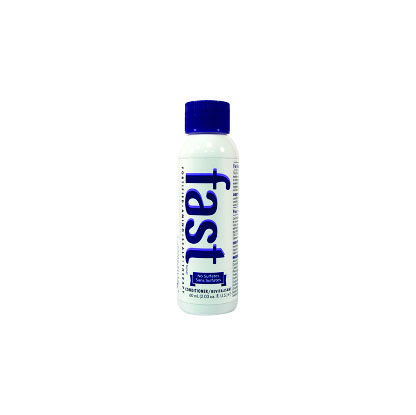
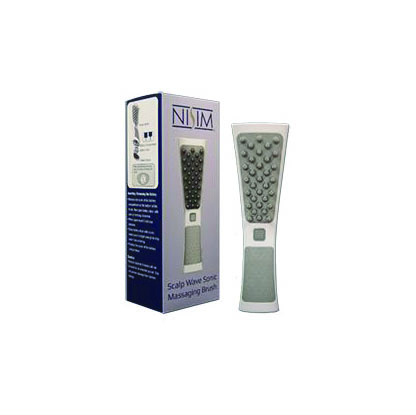
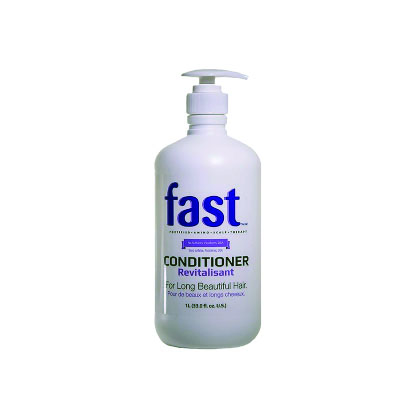
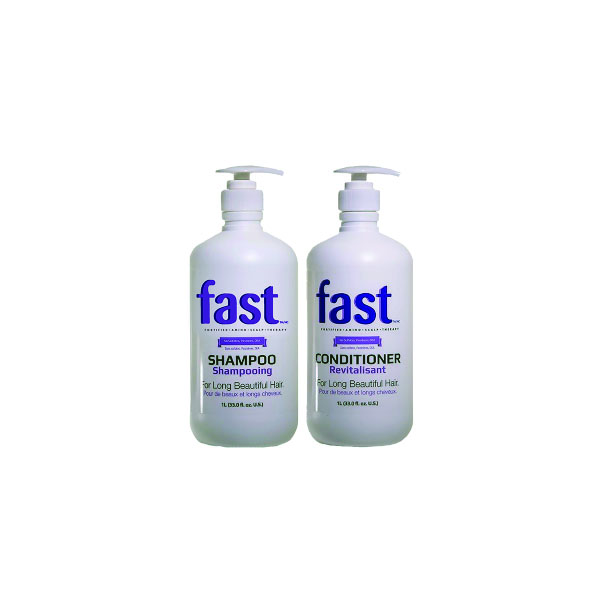
Nisim International has been in business for over 25 years producing quality hair products guaranteed to what they say they will do.
There are so many different types of chemicals used in hair care products, it's hard to know which ones will cause problems. The most important thing to look at when evaluating the safety of a product is the ingredients list. It should be listed by order of quantity, starting with largest and ending with the smallest amount. This will help you spot what may be the culprit if you have an adverse reaction after the use of a particular product.
Sulfate-based detergents are found in shampoo and conditioners. Instead of using soap to clean your hair and scalp, they use synthetic chemicals called surfactants. When introduced to water these compounds release their fatty acid tails which break down the surface tension between oil and water allowing them to mix together (a process known as 'lysing'). This is a very effective way of getting rid of oil and dirt from your hair, however, it can also have negative effects.
One such effect is the loss of protective oils from inside your hair shafts. These surface cleansing chemicals strip off not only the dirty oily stuff but also some important protective lipids contained in natural sebum that protect your hair from weather damage and drying out.
You may recognize sodium Laureth sulfate as an ingredient in toothpaste - it helps break down the plaque on teeth by attaching itself to fatty acids found in bacterial cell membranes. Unfortunately in doing this, they disrupt the cell's ability to form a strong self-protective barrier, dehydrate the top layer of skin, and make it more permeable to toxins.
Lauramide DEA is used in combination with lauric acid it forms a compound that helps make the shampoo smoother and silkier, but can also be contaminated with known carcinogens.
Sodium lauryl sulfate is an ionic surfactant - here's where it gets complicated. This ingredient is used in most shampoos because it gives that rich feeling that consumers desire after rinsing their hair clean. It works by attaching itself to oils on the surface of your scalp and forming oil/water droplets that rinse off easily. Some studies suggest that long-term exposure to SLS causes damage to the hair follicles, so if you have problems keeping your hair healthy I would suggest avoiding shampoos containing this ingredient.
One alternative to sulfate-based detergents is Cocamidopropyl betaine, which is derived from coconut oil. This gentle surfactant is much less likely to cause scalp irritation or dryness.
It's also important to watch out for ingredients that may be allergens. Parabens are often used as preservatives in cosmetics, but they can also trigger allergic reactions in some people. They are known to mimic the hormone estrogen, and there is some speculation that they may be a contributing factor to the development of breast cancer.
These chemicals are found in shampoo and conditioners and can strip away protective oils from your hair shafts, leading to dryness and damage. An alternative to sulfate-based detergents is Cocamidopropyl betaine, which is derived from coconut oil. It's gentle on the scalp and unlikely to cause irritation or dryness.
Parabens are another potential allergen that you should watch out for, as they can mimic the hormone estrogen and may be a contributing factor to the development of breast cancer. If you're looking for a safe and healthy alternative to conventional hair care products, I would recommend trying out some of the more natural brands that are available. Alternatively, you can make your own products at home, which will allow you to customize them to your own needs.