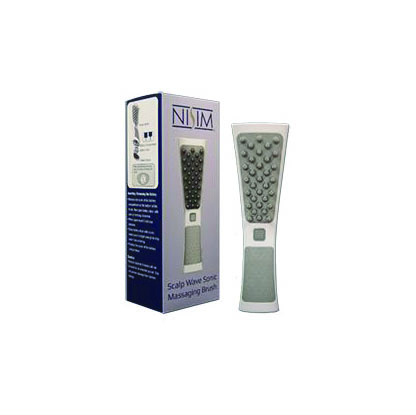
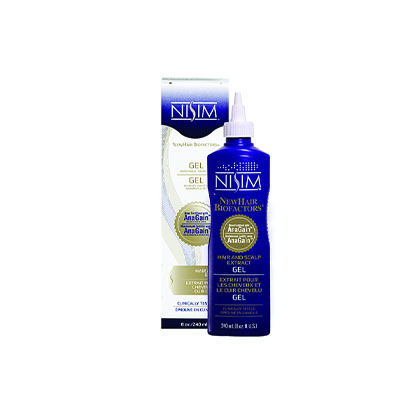
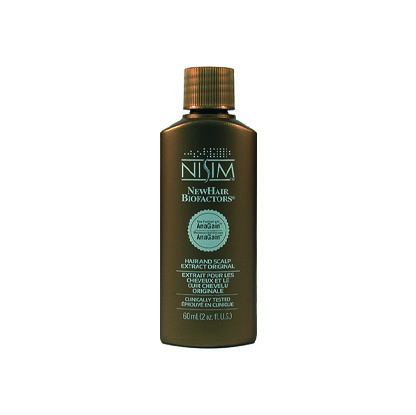
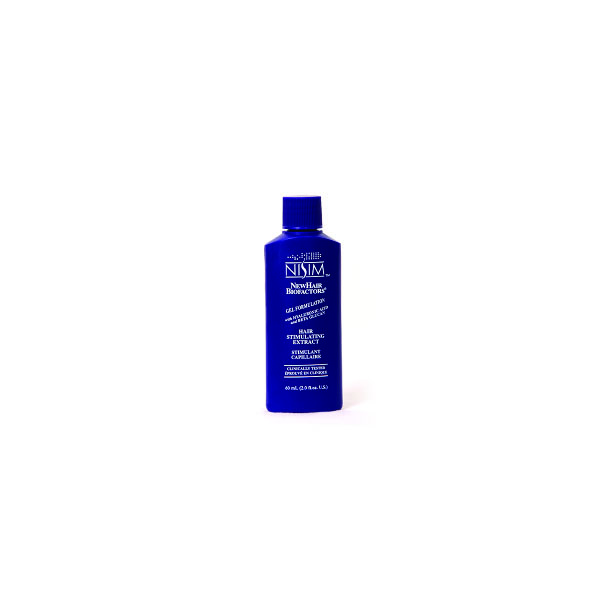
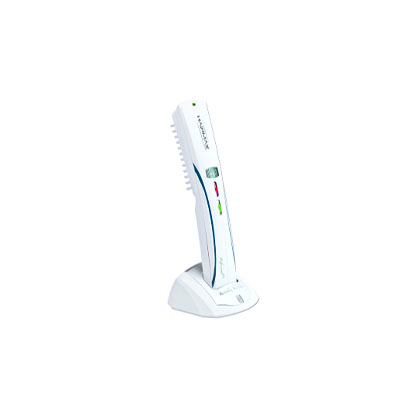
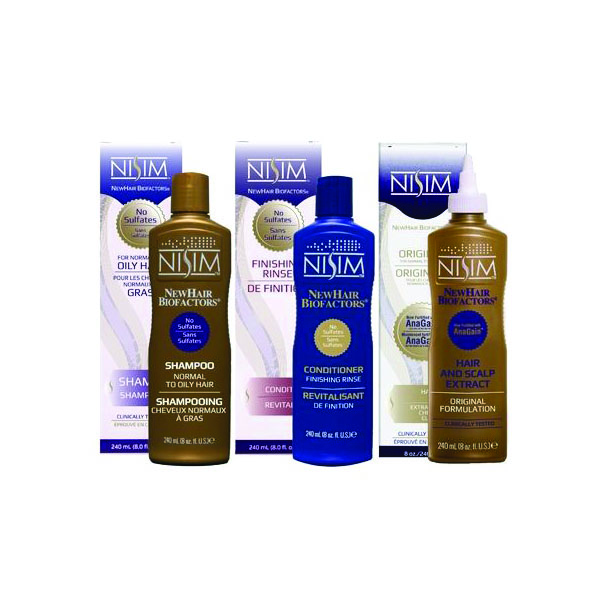
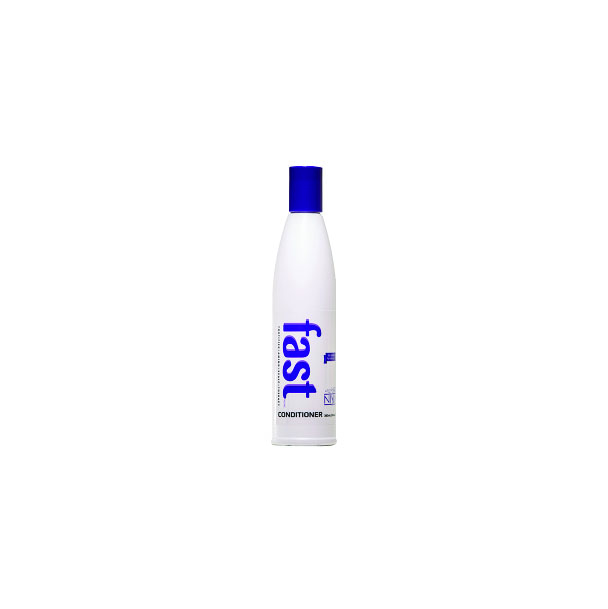
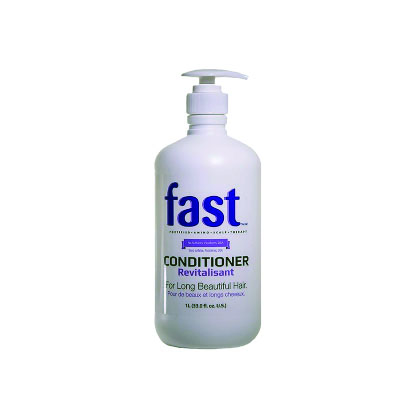
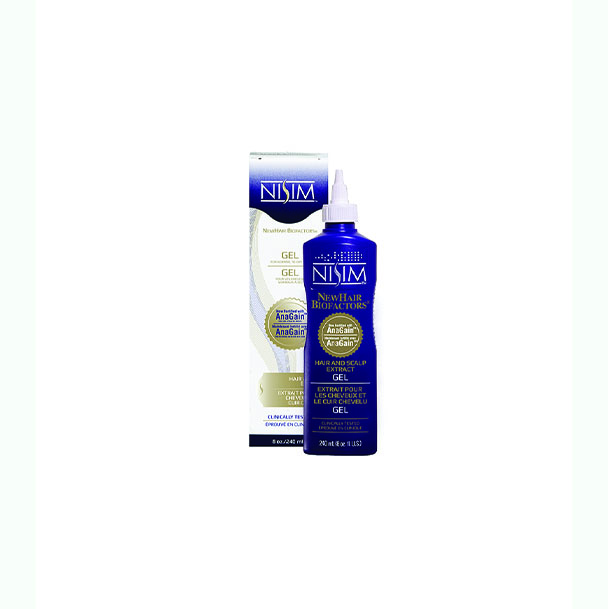
Nisim International has been in business for over 25 years producing quality hair products guaranteed to what they say they will do.
Both men and women suffer from hair loss. Vitamin D has been found to promote both growing (hemophilia) and regrowth of hair (vit D). The goal of this essay is to evaluate the literature on Vitamin D's impact on hair growth, including those with conflicting findings. This will assist physicians and their patients in gaining a better understanding of the subject.
Vitamin D and hair loss, dermatology, alopecia, alopecia areata, male pattern baldness, female pattern baldness were all keywords used to perform a PubMed search. The publication Dermatology Times and Springer journals were also searched for How-To papers. Information was also obtained from searches on Amazon.com and Google Books using the terms "vitamin d" and "hair loss."
Vitamin D deficiency has been linked to alopecia areata, male pattern baldness, female pattern baldness, and hair loss in self-reporting patients. Vitamin D has been studied in mice and has shown to have a positive effect on reversing hair loss situations.
Vitamin D has been connected to a reduction in hair loss in several studies. In one particular study, vitamin D supplementation was tested on women who had lost 100% of their hair after chemotherapy. However, when assessing the impact of vitamin D on reversing chemotherapy-induced alopecia in humans, there have been conflicting findings. There hasn't been many research done in women, so the information cannot be generalized to that population. Because Vitamin D has varying absorption from the gastrointestinal tract to the skin, it is difficult to investigate its effects.
Vitamin D has been found to promote hair growth and regeneration. Vitamin D has been investigated in mice, but conflicting findings have emerged when evaluating the impact of vitamin D on assisting in a chemotherapy-induced alopecia reversal in humans. More research is needed in this area, particularly among women.
How To Increase Your Intake Of Vitamin D
There Are Multiple Ways To Increase Your Intake Of Vitamin D:
1) Sun exposure- spending time outdoors in the sun will allow your skin to produce Vitamin D. The amount of time you need to spend outside to increase your serum 25(OH)D to a healthy level depends on the strength of the UVB rays outside.
1-3 minutes for light skin, 3-10 minutes for moderate skin, and 10+ minutes for dark-skinned individuals. However, it is important to keep in mind that Vitamin D levels should be regularly monitored as sun exposure can lead to skin cancer.
2) Foods containing Vitamin D - there are limited foods that contain high enough levels of Vitamin D to help with your intake of this vitamin. Some food sources include fatty fish such as salmon, tuna, mackerel, and sardines as well as egg yolks and cheese. In addition, some products have been fortified with Vitamin D such as milk and other dairy products, orange juice, soy milk, and some cereals.
3) Supplements - if you are unable to get enough Vitamin D through diet or sun exposure then a supplement may be a good option for you. Vitamin D supplements are available in multiple forms including tablets, capsules, drops, and liquids. The recommended dosage of Vitamin D for adults is 600 IU/day but it is important to speak with your doctor to determine the best dosage for you.
It Is Important To Note That Vitamin D Can Be Toxic In High Doses.
There are multiple areas that future studies need to focus on in order to find out more about Vitamin D's effect on hair growth. One area is examining whether the levels of vitamin D you have correlated with a healthy hair growth cycle or if it simply has an affect on decreasing inflammation and therefore may mediate hair loss.
More studies also need to be done in women which specifically look at Type 3c female pattern baldness and chemotherapy-induced alopecia since the existing studies focus mainly on male pattern baldness and Type 2 alopecia. In addition, there needs to be a study that looks at the effects vitamin D supplementation has on reversing other types of alopecia.
Overall, the current research suggests that Vitamin D may play a role in hair growth and hair regrowth. More studies are needed to confirm these findings, but it is a vitamin worth considering if you are experiencing hair loss. Speak with your doctor to determine if increasing your intake of Vitamin D is right for you.
Vitamin D And Hair Development: What Impact Does Vitamin D Have?
Vitamin D has been shown to aid in hair development by numerous scientific studies. It is a fat-soluble vitamin that is stored in the scalp and may play a role in hair growth. It has also been proven to be beneficial for promoting hair regeneration (hemophilia). Vitamin D receptors have been discovered in human scalp follicles, where they stimulate Hair Growth. Furthermore, activation of these receptors inhibits the production of cytokines, which are known to cause inflammation and can lead to hair loss.
There are many benefits of vitamin D, including hair growth. Vitamin D helps to regulate the hair growth cycle, as well as the production of oils and sebum on the scalp. This means that it can help to keep your scalp healthy, which is necessary for optimal hair growth. Additionally, vitamin D can help to stimulate new hair growth, making your hair thicker and fuller.
Vitamin D helps to regulate the hair growth cycle, as well as the production of oils and sebum on the scalp. This means that it can help to keep your scalp healthy, which is necessary for optimal hair growth. Additionally, vitamin D can help to stimulate new hair growth, making your hair thicker and fuller.
If you are experiencing hair loss or thinning hair, adding a vitamin D supplement to your diet may be a good idea. However, it is important to speak with your doctor before starting any supplements, as too much vitamin D can be harmful. In general, aim for 600-800 IU of vitamin D per day. You can find vitamin D in many foods, including eggs, salmon, and fortified milk.
Adding a vitamin D supplement to your diet may be a good idea if you are experiencing hair loss or thinning hair.
If you are looking for an all-natural way to improve your hair growth, consider adding omega-3 fatty acids to your diet. Omega-3 fatty acids are beneficial for the scalp and help to keep it healthy and hydrated. They can also help to stimulate new hair growth. You can find omega-3 fatty acids in foods like salmon, walnuts, and chia seeds.
If you are looking for an all-natural way to improve your hair growth, consider adding omega-3 fatty acids to your diet.
Finally, keep your scalp clean. While it may be tempting to put oil or other products on your scalp, this can actually make it more difficult for the hair follicles to get the nutrients they need to promote healthy hair growth. Make sure that you are washing your hair regularly with a gentle shampoo to remove excess oils and other particles.