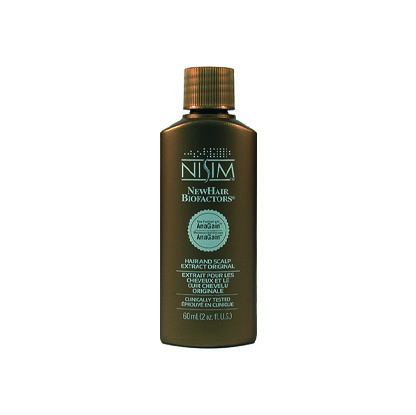
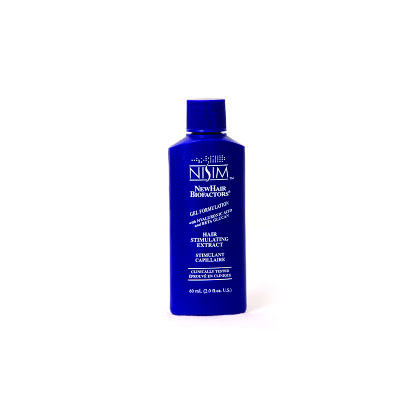
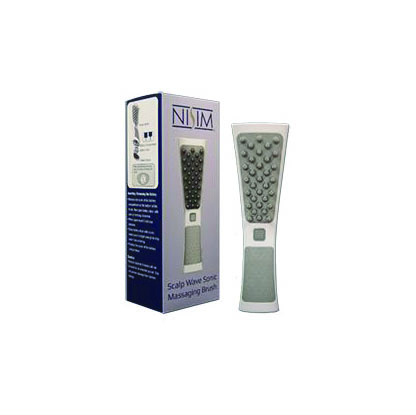
Nisim International

Nisim International has been in business for over 25 years producing quality hair products guaranteed to what they say they will do.

Types of Hair Loss

Androgenetic Alopecia

Hair loss, also known as alopecia, is an illness characterized by a disruption in the body's cycle of hair generation. Hair loss affects people of all ages and can occur anywhere on the body. The scalp has about 100,000 hairs that go through cycles of growing, resting, falling out, and regenerating on a monthly basis.


A hair growth cycle consists of three phases. During the active growth phase, known as the anagen phase, hair grows actively. This period may last for years. The catagen stage occurs when hair stops growing and detaches from its follicle, which is the structure beneath the skin that holds the hair in place.


Hair loss may occur when the hair cycle is disrupted, or if a hair follicle is damaged. This leads to signs such as a receding hairline, patches of baldness, or general thinning.


Hair loss may be hereditary, but many medical and behavioral problems can interfere with the growth cycle and result in hair loss. Dermatologists at NYU Langone are experts in hair and scalp diseases, and they may determine the sort of hair loss as well as its source.


Androgenetic alopecia is the most prevalent form of hair loss, afflicting more than 50 million men and 30 million women in the United States. Androgenetic alopecia, also known as male pattern hair loss or female pattern hair loss, is hereditary but may be treated with medicine or surgery.

image
image
image
image

Male Pattern Hair Loss

Hair loss in men can begin at any time after puberty and progress over years or decades. It begins on top of the temples and works its way around the perimeter of the head, leaving a ring of hair along the scalp at times. Many balding men have male pattern hair loss.


Hair-loss Types

Female Pattern Hair Loss

Hair thinning occurs gradually over the scalp in women, but the hairline does not usually recede. Many women experience this sort of hair loss as part of normal aging, although it can begin at any time after puberty. Female pattern hair loss may cause significant hair thinning, though baldness is uncommon.


Telogen Effluvium

It's possible that a nutritional deficiency is causing your hair loss. It's also been linked to foods like red wine and aged cheeses, as well as some medications. Additionally, it might be caused by another disease or condition resulting in inflammation of the scalp.


Telogen effluvium does not generally result in complete baldness, although you may lose up to 500 hairs each day and hair might appear thin, especially at the crown and temples.


This form of hair loss generally occurs as a result of a medical problem or condition, such as thyroid imbalance, childbirth, surgery, or a fever. Telogen effluvium can also be the consequence of vitamin deficiency—iron deficit is a typical cause of hair loss in women—or the use of particular medications including isotretinoin.


Telogen effluvium is caused by a medical condition, and it generally begins three months after the event. If the source of your hair loss was sudden, such as from a sickness or discontinuing a medicine that was causing it, your hair may grow back after six months.


This form of hair loss, for reasons unknown to doctors, might persist for years in some individuals. If your hair does not grow back on its own, our dermatologists can prescribe a therapy to help you.


image

image
image
image

Anagen Effluvium

The term anagen effluvium refers to hair loss caused by medical therapy, such as chemotherapy. These strong and fast-acting drugs destroy cancer cells while also shutting down hair follicle generation in the scalp and other areas of the body. Hair usually recedes after chemotherapy is finished. Medicine may be prescribed to stimulate hair growth more quickly after treatment.


Alopecia Areata

Alopecia areata is an autoimmune disease in which the immune system mistakenly attacks healthy tissues, such as hair follicles. This results in hair loss and prevents new hair from growing. This problem can affect both adults and children, and it may start suddenly and without notice. Hair from the scalp generally falls out in little pieces and is not painful.


Alopecia areata can be treated with medicine that encourages hair regeneration. If you'd like to learn more about alopecia areata, NYU Langone has a monthly support group for individuals who suffer from it.


Tinea Capitis

Tinea capitis, also known as scalp ringworm, is a fungus infection of the scalp that is frequently responsible for hair loss in children. Hair falls out in patches and can form circular bald areas that over time may get larger. The affected regions are commonly red or scaly and itchy.


To get rid of the fungus, dermatologists may prescribe an antifungal pill that is taken by mouth. Most children who have tinea capitis experience excellent hair regeneration if it's diagnosed and treated early.


Cicatricial Alopecia

Cicatricial alopecia, also known as scarring alopecia, is a rare form of hair loss in which inflammation destroys hair follicles and results in scar tissue formation instead of new hair growth. Hair does not regrow after scar tissue forms. Hair loss may begin gradually or all at once, and it can affect men.


Hypotrichosis

Hypotrichosis is a rare gene-related illness in which little hair develops on the scalp and body. Babies with this condition may begin to develop typical hair at first, but it will fall out several months later and be replaced by thin hair. By the age of 25, many individuals with hypotrichosis are completely bald.


Archive