Thyme oil has been found to help promote hair growth and prevent hair loss by stimulating the scalp as well as actively preventing hair loss. Thyme oil, like cedarwood oil, was discovered to be useful in treating alopecia areata.
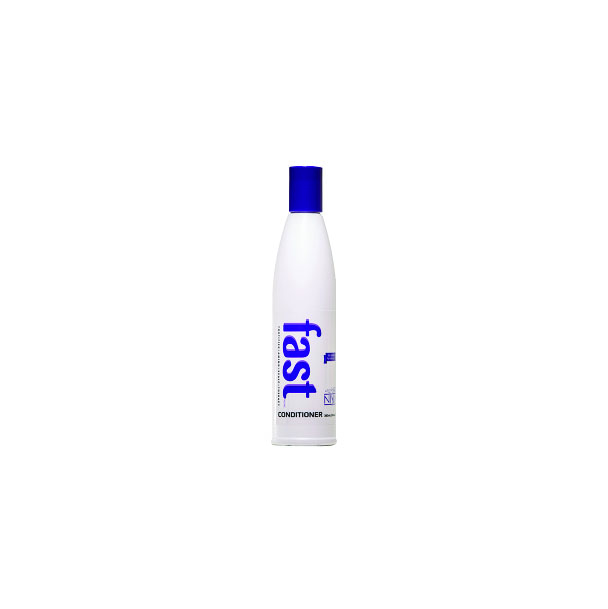
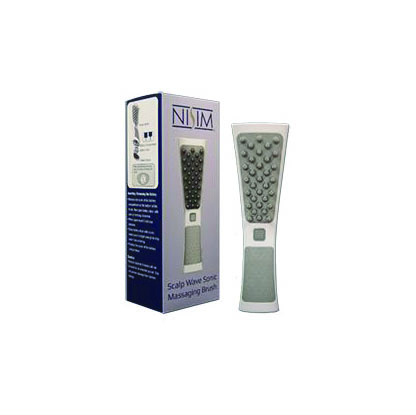
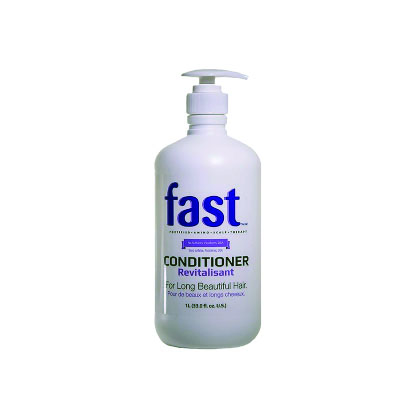
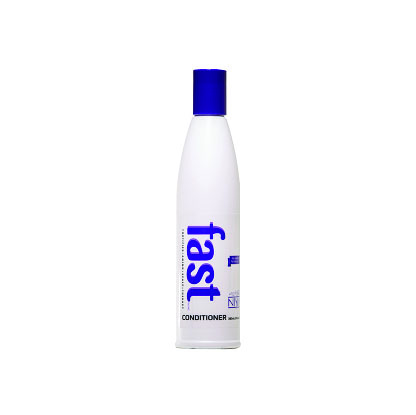
Nisim International has been in business for over 25 years producing quality hair products guaranteed to what they say they will do.
Thyme oil has been found to help promote hair growth and prevent hair loss by stimulating the scalp as well as actively preventing hair loss. Thyme oil, like cedarwood oil, was discovered to be useful in treating alopecia areata.
1- Thyme oil is a powerful hair growth promoter, thanks to its antifungal properties. It has both stimulating and preventing effects on the scalp, which helps to promote hair development. Thyme oil is also used to treat alopecia areata, similar to cedarwood oil.
2- A little quantity of oil should be applied to the scalp every day for 10 to 20 minutes.
3- You may leave the oil in your hair for an hour or overnight.
4- Azulene essential oil promotes blood circulation to your scalp. It will increase the thickness of your hair follicles and the number of hair follicles.
5- We can combine a few drops of carrier oil with 2 drops each of thyme, rosemary, lavender, and cedarwood essential oils.
6- All of these oils have advantages for hair development and scalp health. Peppermint oil is also beneficial to the scalp, increasing the number of hair follicles and thyme oil improving follicle depth.
7- Thyme oil may be combined with lavender oil to promote hair growth and protect the scalp from fungal infection.
Thyme oil is a great source of antioxidants, which protect the scalp from damage and help to promote hair growth. It also contains thymol, which has antifungal properties that help to prevent scalp infection and hair loss.
Thyme oil, on the other hand, contains vitamin A, vitamin D, Vitamin C, and Vitamin B-6. The oil of thyme is high in Saturated fat, Monounsaturated fat, and Polyunsaturated fat. Thyme oil is high in minerals such as Iron, Magnesium, Calcium, Cobalamin, and Sodium. If you're ready to get your brew up and running, add a few drops of thyme oil, 2 tablespoons extra virgin olive oil, 5 drops of lavender or jojoba oil, combine all the oils together and massage them into your scalp in circular motions for half an hour. It can be used to achieve several benefits on your hair, including extra shine and the treatment of fungal infections. It may also help with dandruff, irritation, and scurf.
Thyme oil is steam distilled from the flowering tops of the thyme plant. The oil has a strong, herbaceous aroma that is slightly camphoraceous. It is pale yellow in color and has a thin consistency.
-The plant used to produce thyme oil is Thymus vulgaris
-Thyme oil is a 100% natural essential oil
-The oil is steam distilled from the flowering tops of the thyme plant
-The oil has a strong, herbaceous aroma that is slightly camphoraceous
-It is pale yellow in color and has a thin consistency.
-Thyme oil is non-toxic, non-irritating, and non-sensitizing.
Thyme oil is a great source of antioxidants, which protect the scalp from damage and help to promote hair growth. It also contains thymol, which has antifungal properties that help to prevent scalp infection and hair loss. Thyme oil is also high in minerals such as Iron, Magnesium, Calcium, Cobalamin, and Sodium.
If you're ready to get your brew up and running, add a few drops of thyme oil, 2 tablespoons extra virgin olive oil, 5 drops of lavender or jojoba oil, combine all the oils together and massage them into your scalp in circular motions for half an hour. It can be used to achieve several benefits on your hair, including extra shine and the treatment of fungal infections. It may also help with dandruff, irritation, and scurf.
The plant used to produce thyme oil is Thymus vulgaris. Thyme oil is a 100% natural essential oil. The oil is steam distilled from the flowering tops of the thyme plant. The oil has a strong, herbaceous aroma that is slightly camphoraceous. It is pale yellow in color and has a thin consistency. Thyme oil is non-toxic, non-irritating, and non-sensitizing.
A little quantity of oil should be applied to the scalp every day for 10 to 20 minutes. You may leave the oil in your hair for an hour or overnight, but shampoo and condition as usual. You can also mix a few drops of thyme oil with your shampoo or conditioner for best results. Thyme oil can be used in combination with other oils like lavender, rosemary, peppermint, and cedarwood for hair growth. You can also add a few drops of thyme oil to your favorite carrier oil and use it as a hair massage oil.
The benefits of thyme oil for hair are numerous. Some of the most notable benefits include:
-Thyme oil is a great source of antioxidants, which protect the scalp from damage and help to promote hair growth.
-It also contains thymol, which has antifungal properties that help to prevent scalp infection and hair loss.
-Thyme oil is high in minerals such as Iron, Magnesium, Calcium, Cobalamin, and Sodium.
-If you're ready to get your brew up and running, add a few drops of thyme oil, 2 tablespoons extra virgin olive oil, 5 drops of lavender or jojoba oil, combine all the oils together and massage them into your scalp in circular motions for half an hour.
-It can be used to achieve several benefits on your hair, including extra shine and the treatment of fungal infections. It may also help with dandruff, irritation, and scurf.
-Thyme oil is non-toxic, non-irritating, and non-sensitizing.
Thyme oil should not be used during pregnancy. It is also a good idea to perform a patch test before using the oil on a large area of your skin.
There is some evidence to suggest that thyme oil can be effective in treating hair loss. A study published in the journal BMC Complementary and Alternative Medicine found that thymol, which is a component of thyme oil, was effective in inhibiting the growth of hair follicles and preventing hair loss.
Thyme oil should not be used during pregnancy. It is also a good idea to perform a patch test before using the oil on a large area of your skin.
Thyme oil is a 100% natural essential oil that has many benefits for hair, including the treatment of fungal infections, dandruff, and scurf. It can also help to promote hair growth and increase shine. A little quantity should be applied every day for the best results. You can also mix it with other oils like lavender, rosemary, peppermint, and cedarwood for hair growth.