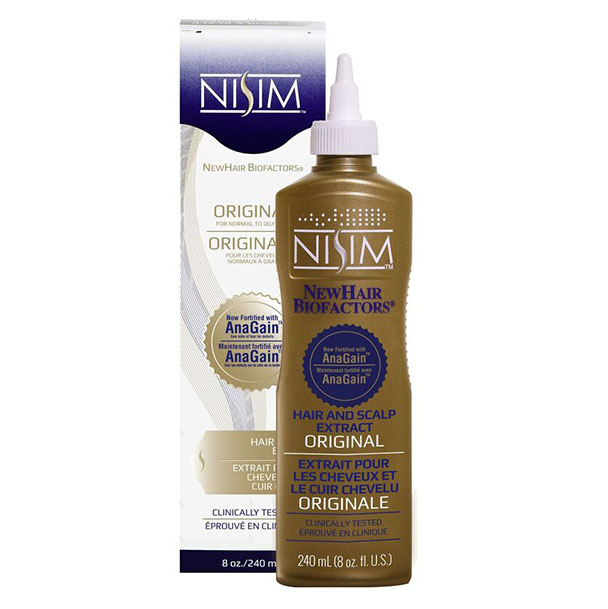
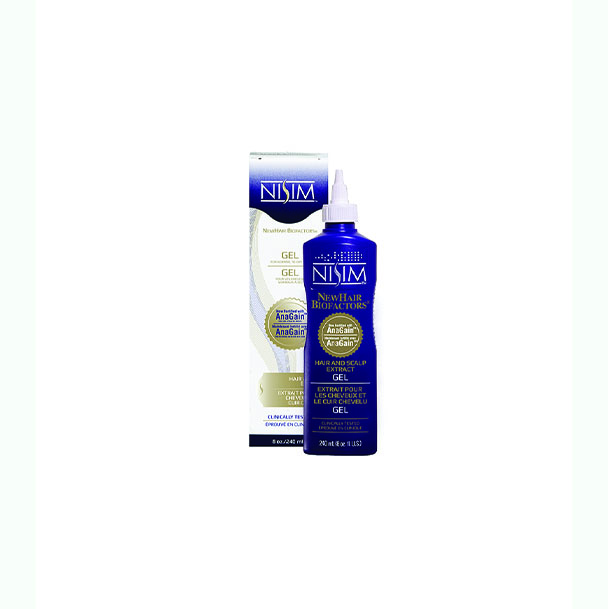
Nisim International

Nisim International has been in business for over 25 years producing quality hair products guaranteed to what they say they will do.

The Role of Vitamins A in Hair Loss

Vitamin A deficiency is recognized to cause a variety of symptoms, including night blindness and follicular hyperkeratosis. Xerophthalmia, follicular hyperkeratosis, increased susceptibility to disease, and delayed growth has all been observed in animals that lack vitamin A. Animals deficient in vitamin A have also been found to grow hair at a slower rate.


In a 1972 study, scientists discovered that when mice had a vitamin A shortage, sebaceous glands were smaller. Acne lesions are frequently characterized by an overabundance of sebum. This condition might be linked to an increase in the size or activity of sebaceous glands, which leads to comedone formation. The impact of a relative vitamin A scarcity on acne development is easier to comprehend if we consider how vitamin A affects hair growth and epithelial proliferation.

image
image
image
image

Effect Of Vitamin A Deficiency On Hair Follicle Populations

Vitamin A-deficient animals have been shown to have a greater hair shedding rate in previous research. Before the hair drops out, very few cycles are completed. The hair follicle bulge region was smaller and there were fewer hair germ cells per unit area compared to controls. In vitro, cultured hair papillae from these mice were smaller and had reduced mitotic activity as well as a decreased response to steroids.


Vitamin A has been found to be beneficial to hair growth. Hair follicles that are lacking in vitamin A exhibit less hair development, according to on several studies. It's possible that Vitamin A deficiency causes this because it is required for hair growth, possibly by controlling the proliferation of epithelial cells of the hair follicle.


Vitamin A is involved in the growth of hair and development. Vitamin A insufficiency has been linked to an increased rate of hair loss or total baldness in humans. During embryological development, infancy, childhood, adolescence, and adulthood, vitamin A controls epithelial cell proliferation and differentiation. It also affects a variety of metabolic pathways within the hair bulb, including protein synthesis, cell division, mitosis (cell division), and maturity.


Vitamin A is a skin-peel agent that has previously been linked to hair loss. This study tests the impact of topical RA on hair development in mice with sensitive hair follicles.


Vitamin A insufficiency has been linked to a reduction in hair shaft diameter due to reduced epithelial proliferation at the base of the hair matrix. Vitamin A is converted to retinoic acid by the hair follicle, and it affects hair development in several ways. 8- cis -Ralaroxy retinoic acid has been found to promote cell division and delay keratinocyte apoptosis. Retinoic acid also controls hair matrix cell multiplication and the duration of the growth cycle.


image

image
image
image

Retinoids As Regulators Of Hair Follicle Cycling

Retinoids have been used to treat a wide range of skin problems, including acne and photoaging. In addition to their medical value, retinoids have been found to possess potent biological activity in many non-transformed cell systems, suggesting an expanded role for these chemicals in the field of hair biology.


Vitamin A deficiency causes hair pigmentation to fade and epithelial cell proliferation at the base of the hair matrix to cease, resulting in fewer-diameter hairs.


Hair growth, followed by hair loss, and the regular movement of hair follicles in numerous locations occur simultaneously during the hair cycle. The anagen phase, catagen phase, and telogen phase make up the hair growth cycle.


Hair growth was slowed in mice with RA-sensitive hair follicles and had a higher number of resting hairs after cessation of hair development.


Vitamin A Hair Growth - Why Does Hair Fall? Is It Typical? What Are The Indications Of Hair Loss? How Can You Naturally Improve Your Hair's Growth With Food Treatments For Natural Hair Progress?

Hair loss is a disease that can affect anybody, at any age, regardless of whether it's hereditary or due to external circumstances.


Vitamin A is important for cell growth, development, and differentiation. It aids in tissue formation, including hair growth. Hair thinning and hair loss can occur as a result of vitamin A deprivation.


Vitamin C also lowers the rate of blood supply since it is a cofactor for proline hydroxylase, which transforms proline to hydroxyproline, an essential component of collagen fibers required for hair development.


Hair fall is another sign of vitamin A deficiency. Hair growth is also reduced as a result of vitamin A insufficiency.


You may have heard that vitamin A deficiency causes hair loss. You are aware of the negative effects of not consuming enough fresh fruits and vegetables on your body. Vitamin A promotes growth, whitens hair, prevents hair breakage, and promotes regrowth in addition to strengthening the immune system. Hair loss is when there's a lack of melanin (pigment) in the strands at one or more areas on a person's head.


Vitamin A promotes skin cell regeneration and good health. "Vitamin A aids in the growth of healthy cells by promoting cell regeneration," according to the Linus Pauling Institute. While it is not thought to enhance scalp hair quantity, vitamin A is necessary for optimal health by nourishing cells. When used topically, it may help promote strong hair. The same characteristics that aid in the formation of new cells also aid in the creation of stronger strands of hair when used topically.


image

image
image
image

Some Fact on Vitamin A and Hair Growth

Vitamin A is required for healthy hair growth. Hair color or hair vitamins treatment, when the head is exposed to hair loss, stimulates vitamin A in the scalp and promotes healthy hair growth.


Vitamin A insufficiency is not frequently the cause of hair loss, but the relationship between vitamin A and cellular health implies that a vitamin deficiency might have an impact on scalp/follicle health as a whole.


Vitamin A insufficiency can cause cellular metabolism and collagen synthesis to be hampered, delaying cell formation and causing existing cells to die faster. Hair production would be affected as a result of this, resulting in hair loss.


Vitamin A-enriched topical medicines can help with hair color, hair growth, hair regrowth, and hair restoration.


When applied topically, vitamin A works best to promote hair growth. It may be used alone or in combination with other vitamins.


Nails And Hair Are Composed Of Keratin, A Protein That Also Makes Up A Portion Of The Structure Of Hands And Teeth.


Vitamin A is necessary for keratin, which is a protein that contributes to hair structure and health.


Vitamin A is effective in treating hair loss and promoting hair growth. Hair regrowth, restoration, growth, and regeneration are all terms for the process of increasing the length of your natural hair strands. Vitamin A is effective in treating various types of baldness, including hereditary pattern or scalp type 1 alopecia (HPT1A), acquired pattern or scalp type 2 alopecia (AT/ST), male-pattern folliculitis (MPF)


image

image
image
image

Vitamin A aids in the growth and maintenance of healthy skin. "Vitamin A promotes cell regeneration and good skin health," to cite one example. Vitamin A, though not linked to increased scalp hair production, is required for optimal health by nourishing cells. It may assist with the formation of healthier strands of hair when used topically.


Vitamin A lotion is thinner than a pill and so can be absorbed into the skin more readily, making it useful for topical applications. This may help with several common skin issues such as acne, eczema, and psoriasis by allowing vitamin A to be absorbed through the skin. Vitamin A topically applied (tretinoin or tazarotene) is also known as Topical dosing of vitamin A is sometimes called tretinoin or tazarotene.


Vitamin A, when applied topically, may help promote hair regeneration and growth. As an antioxidant and a UV filter, Vitamin E helps to protect your hair from fading as well as split ends. It also increases the strength of your hair by treating it with C + E Oil derived from palm oil. Vitamin D3 is used in scalp treatments for its anti-inflammatory effects on irritated scalps which can aid in the healing of damaged or dead hairs.


Conclusion


Vitamins are not regulated like medicines and they don't always contain what the label says is inside them. Some people experience an allergic reaction or other side effects from vitamins- however, there are some studies showing positive results for those who take Vitamin A supplementations regularly.


image
image
image
image

Vitamin A is essential for hair growth. This vitamin helps the body produce sebum, which is a natural oil that moisturizes and protects the skin. It also plays an important role in the production of keratin, which is what gives our hair its structure. If you are not getting enough of this nutrient from your diet or through supplements, it could be affecting how quickly your hair grows back after cutting it off. To get more of this crucial vitamin into your system, try upping intake of foods like broccoli or spinach - they rank high on lists of good sources for this particular nutrient!


Archive