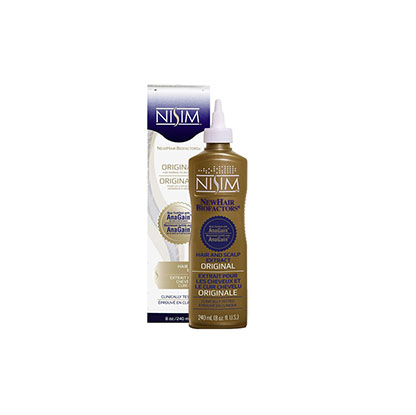
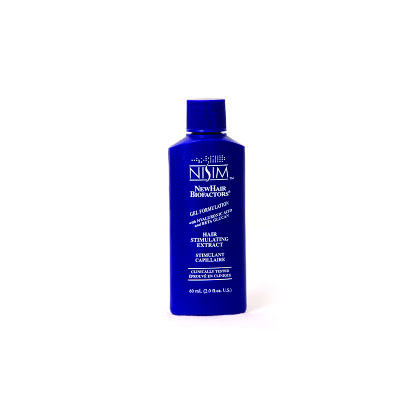
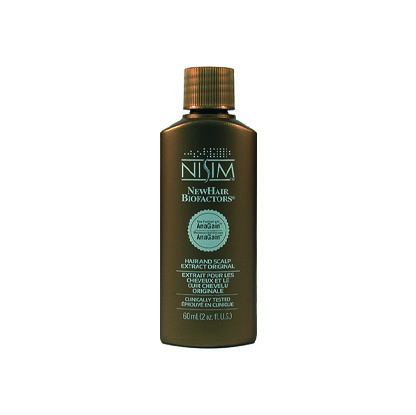
Nisim International

Nisim International has been in business for over 25 years producing quality hair products guaranteed to what they say they will do.

Severe Hair Loss - Alopecia Areata and Anagen Effluvium

This is a serious hair loss problem to address since the follicles themselves are destroyed. The regenerative capabilities of the afflicted hair follicles are lost.


Hair loss issues on the scalp are by far the most prevalent hair problems encountered. The reason is obvious: our hair on our heads has a significant physical, psychological, and social presence, so hair loss implies losing something significant about our identity.


Even if the severity of hair loss is lesser than total baldness, it may be disheartening or devastating because there is no simple cure for hair loss that truly works in regaining one's former attractiveness with certainty, other than transplant surgery.


Hair loss is hair loss, regardless of whether it's caused by thinning or shedding. Damage to hair tissue, such as breakage of the hair shaft due to over-processing, is another problem entirely.


To some ladies, thicker hair appears to be better than thinner hair, but brittle and frayed-looking hair shafts create individual hairs to stick out of the skin like sharp needles that catch on clothing and snag on everything else, resulting in excessive frizzing. Hair grows but growth is halted each time hair shafts break off due to their damaged status.


There are certain causes of hair loss in men, some of which, such as genetic baldness and alopecia areata, affect both genders. Alopecia areata has a variety of presentations; this post focuses on isolated regions where hair thins out without any obvious external cause, such as burns from chemicals or collisions with vehicles.

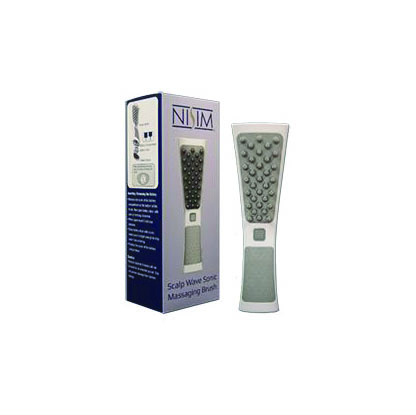
image
image
image
image

Women can experience hair thinning in general, as well as individual strands of hair falling out all over the head. However, if there is a particular section of her scalp where she begins to notice clumps of hair fall out in chunks or a lot of hair strands start coming out in her brush, this is anagen effluvium, which is a distinct disease.


When Hair Follicles Are Exposed To Any Of These Factors, Anagen Effluvium Occurs:

1) It's possible that it was caused by radiation therapy for cancer, which causes hair to fall out after two to three months.


2) Chemotherapy drugs, which target rapidly dividing cells, may induce this kind of hair loss. Hair follicle cells are fast developing and, as a result, chemotherapy medications can also cause hair loss. Although it is temporary, most women who go through chemotherapy lose all of their hair.


A hair transplant surgery may be used to restore hair to the scalp, but hair transplanted on bald regions of the head will not develop since hair follicle cells that are missing from bare patches on the head do not allow for growth.


3) Anti-androgens, such as cyproterone acetate, are a form of chemotherapy known for causing hair loss in all forms, particularly temporary total hair loss followed by thin hair regrowth and ultimate total baldness if given in high doses. This is why some doctors administer anti-androgen medications (hormone blockers that prevent testosterone from reaching receptors in hair follicles) before prescribing nitrogen mustards to females who may expect all sorts of adverse effects including alopecia during cancer therapy.


4) External elements, such as hair dryers, hair curlers, and hair straightening irons that emit high amounts of heat to make strands appear smooth or curly can contribute to internal "hair fallout." However this style of ironing is not accurate; while a hairdryer blows hot air over the entire head at once, curl irons grip one strand at a time, generating the risk of burning the scalp near the hair roots.


image

image
image
image

This is why it's critical to never use hot tools like these on wet hair since water makes the skin more sensitive, and using excessively hot equipment on damp hair may cause extreme burns or even temporary blindness.


5) When hair is subjected to both these hair tools in close proximity, it can result in a lot of fallout.


Alopecia areata is an autoimmune disease that causes hair loss on the scalp or any other hair-bearing portion of the body, such as the eyebrows and eyelashes. Hair loss is referred to as alopecia. It can be caused by physical elements like stress or sickness, as well as emotional circumstances such as sorrow or worry.


Non-cicatricial forms generally grow back on their own, whereas cicatricial alopecias can result in skin scarring and even hair loss despite continuing regrowth.


Alopecia areata, also known as spot baldness, is a disease in which round patches of hair spontaneously fall out and leave smooth bald regions with no hairs sprouting out of them. The hair falls out without causing any discomfort or other symptoms. Hair loss may not be seen for months. In some persons, the shedding leaves a barren area where hair is permanently lost; while in other cases, only one side of the bald region regrows hair, or new hair grows from follicles that have been left intact by the loss of hair.


Hair regrows in 15% of individuals after six to twelve months without treatment, but approximately 15% of persons never recover fully and require medical assistance. If you do manage to re-grow your hair, it's probable that it will be a different color or texture than the one it was previously.


image
image
image
image

Alopecia areata is considered to be an autoimmune disease, which implies your immune system attacks and destroys your hair follicles. Experts believe that hair loss occurs as a result of the hairless hair-producing cells not growing or developing properly. It's unclear what causes alopecia areata.


In some people, infection or sickness might induce the immune system to assault hair follicles. There is, however, no indication that any particular virus causes alopecia areata.


Conclusion

All of your body hair falls out, including eyelashes, brows, nose hairs, pubic hair, and leg hairs (notably not the head's hair). It is generally an autoimmune disease that targets protein structures in the hair roots and follicles. When you lose your hair, it's likely to regrow gray or with a different texture than before.


Hair loss is a prevalent issue, affecting over 40 million people in the United States. Alopecia areata and anagen effluvium are two forms of hair loss that can hamper hair regeneration.


Archive