Pollution is a known carcinogen. It is also known to cause inflammation, skin irritation, and other health problems. Did you know that pollution can also affect your hair and scalp health?
Nisim International has been in business for over 25 years producing quality hair products guaranteed to what they say they will do.
Pollution is a known carcinogen. It is also known to cause inflammation, skin irritation, and other health problems. Did you know that pollution can also affect your hair and scalp health?
1. Pollution causes scalp dryness and dandruff.
The chemicals in polluted air can cause your scalp to become dry and irritated. This can lead to excessive flaking and dandruff.
2. Pollution can damage your hair follicles.
The pollutants in the air can actually damage your hair follicles, making it harder for your hair to grow healthy and strong. This can lead to hair loss over time.
3. Pollution can cause hair color to fade.
The chemicals in polluted air can also cause your hair color to fade faster. This is especially true if you have light-colored hair.
4. Pollution can increase the risk of scalp cancer.
Exposure to pollutants in the air can increase your risk of developing scalp cancer. So, it is important to protect your scalp from the harmful effects of pollution as much as possible.
1. Wash your hair regularly.
Washing your hair regularly will help remove any pollutants that may be trapped in your hair and scalp. Be sure to use a shampoo and conditioner that are free of harmful chemicals.
2. Use natural hair care products.
When possible, use natural hair care products to protect your hair and scalp from pollutants in the air. Choose organic shampoos and conditioners over standard brands whenever possible. Also, ask your hairdresser about natural hair care products you can try at home to keep pollution out of your hair and away from your scalp.
3. Limit exposure time outdoors on days with high levels of pollution or smog.
Data is collected by the EPA (Environmental Protection Agency) about the levels of smog and poor air quality around the country on a daily basis, which allows them to track its current status as it moves throughout different regions of the world (www.airnow.gov).
When you can see and smell pollution in the air, it is recommended to limit your time outside and avoid strenuous activity outdoors to prevent your hair and scalp from facing harmful effects of polluted air such as dryness, irritation, and other problems.
4. Wear a hat.
A simple way to reduce your exposure to pollutants in the air is to wear a hat when you are outdoors. A wide-brimmed hat will offer the most protection for your head and scalp.
By following these tips, you can help protect your hair and scalp from the harmful effects of pollution. Remember, it is important to take precautions against polluted air whenever possible, as it can lead to long-term damage to your health.
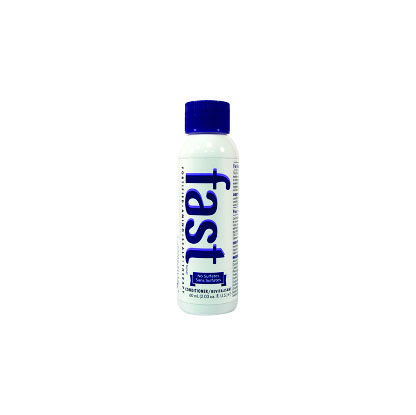
1. Frequent washing. Washing hair frequently is one of the most effective ways to prevent pollutants from building up in your hair and scalp. Limit time outdoors when pollution is at its worst; if you must be outside, a wide-brimmed hat can help protect both your scalp and face from suffering the effects of polluted air.
2. Shampooing often with a clarifying shampoo helps remove dirt particles that have accumulated on the surface of your scalp, which will also help reduce irritation or itching caused by polluting elements in the environment.
3. Conditioner is important for protecting your hair from damage caused by ozone, but it may prove more damaging than helpful if used daily as this will weigh down already oily roots and cause more dirt and pollutants to accumulate. Try to condition only every other day, or use a light conditioner that won’t add too much weight to your hair.
4. Stay hydrated by drinking plenty of water; this will help flush harmful toxins from your system.
5. Eat a balanced diet with plenty of fruits and vegetables; these are high in antioxidants which can help protect the body against the damaging effects of pollution.
6. Use a scalp treatment once or twice a week to deep cleanse your scalp and remove any built-up pollutants.
7. Reduce stress levels as high stress can aggravate scalp conditions caused by pollution.
8. If you have long hair, try to keep it pulled back away from your face as much as possible to prevent pollutants from coming into contact with your skin.
9. Consider using a hair mask once a week to help nourish and protect your locks from the damaging effects of pollution.
10. Finally, consider using a hair detoxifier or purifier to help rid your hair of any harmful toxins that may have built up over time.
While it is not always possible to avoid exposure to polluted air, by following these tips you can help minimize the negative effects on your hair and scalp health. Pollution not only affects our environment but our daily lives as well. We all know the dangers of pollution on our planet and how it’s changing the way we live day by day. What you may not know is that pollution can be very harmful to your hair and scalp health as well.
Pollution can cause problems such as dryness, brittleness, dullness, irritation, itching, greasy buildup, and even painful breakage – all of which can lead to a compromised appearance overall. The damage caused by the pollutants themselves is fairly easy to spot – but there are other important issues that contribute to damaged hair and poor scalp health that may not be as obvious at first glance.
By understanding how pollution affects our hair and scalp, we gain valuable insight into what causes hair loss or thinning while also learning ways in which we can prevent it from developing in the first place. So let’s take a look at some of these issues in more detail by exploring how pollution can damage the luster, elasticity, circulation, and texture of our hair.