If you are noticing an excessive amount of sebum production on your head, there is a good chance that your head is overproducing sebum. Sebum is an oily substance that is produced by the sebaceous glands to help protect and lubricate the skin. When too much sebum is produced, it can lead to oily hair and scalp, as well as acne breakouts.
There are a few things that can cause your head to overproduce sebum. Hormonal changes, such as those that occur during puberty or menopause, can trigger an increase in sebum production. The use of certain medications, including birth control pills and steroids, can also cause an increase in sebum production. And finally, some skin conditions, such as seborrheic dermatitis and psoriasis, can cause an overproduction of sebum.
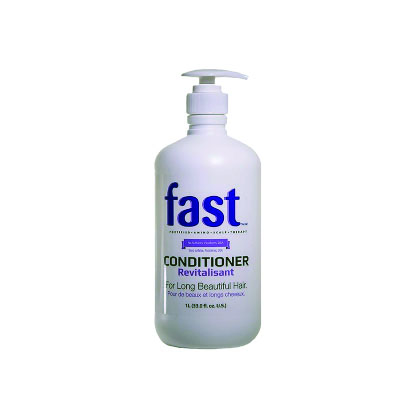
If you are noticing an excessive amount of sebum on your head, there are a few things that you can do to help address the issue. First, try to shampoo your hair daily. This will help remove any excess oil from your hair and scalp. Second, use a conditioner that is designed for oily hair. This will help to balance the production of sebum on your head. And finally, try to limit the number of styling products that you use on your hair. These products can often contribute to an overproduction of sebum.
If you are struggling with an excessive amount of sebum on your head, talk to your doctor. He or she can help you determine the cause of the issue and may recommend a treatment plan.
An excessive amount of sebum on your head can be a sign that your head is overproducing sebum. There are a few things that can cause this, including hormonal changes and certain skin conditions. If you are noticing an excessive amount of sebum on your head, there are a few things that you can do to help address the issue. First, try to shampoo your hair daily and use a conditioner designed for oily hair. Second, limit the number of styling products that you use on your hair. And finally, talk to your doctor if you struggling with this issue. He or she can help you determine the cause of your issue and may recommend a treatment plan.