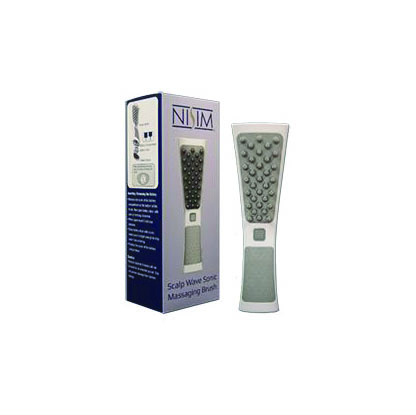
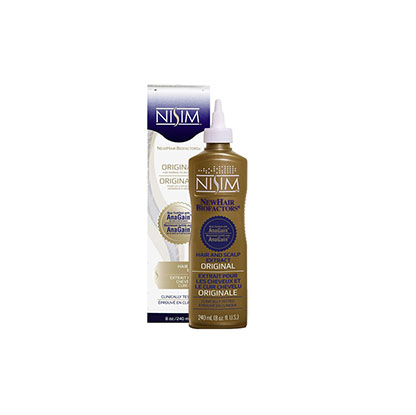
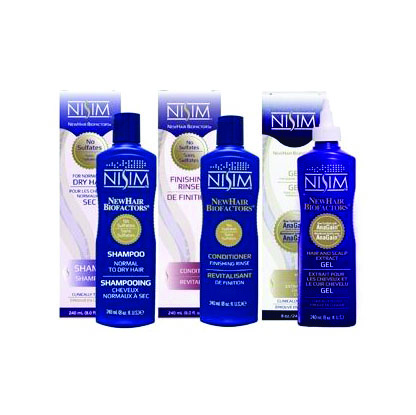
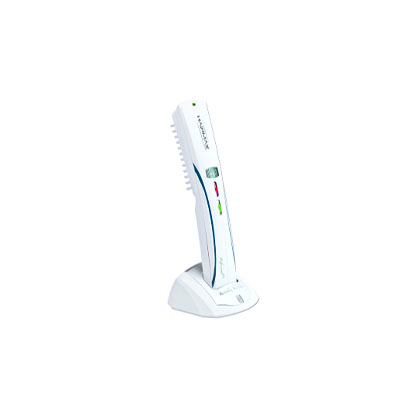
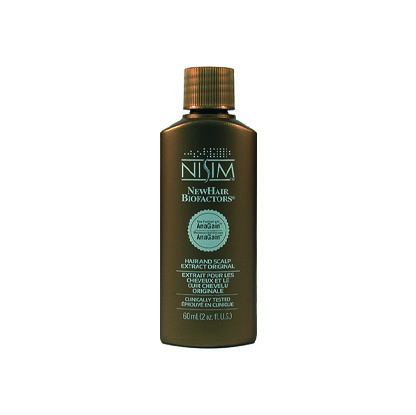
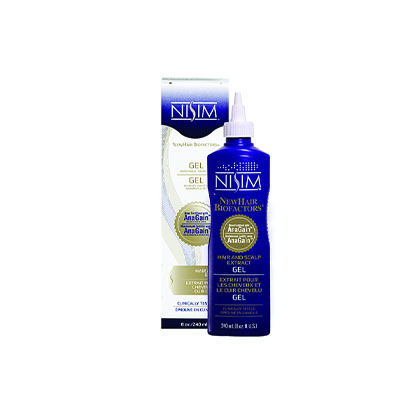
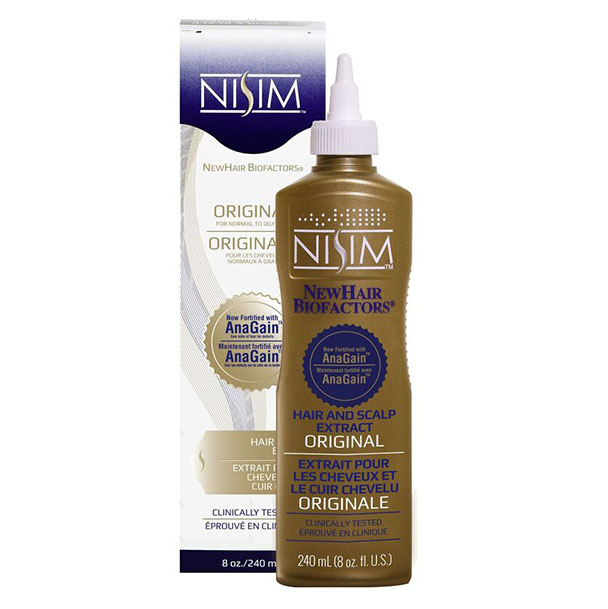
Nisim International has been in business for over 25 years producing quality hair products guaranteed to what they say they will do.
Smoking and hair loss are two topics that often generate interest. Despite the fact that the two issues aren't always connected, they both have an influence on a person's general health. We'll look at how smoking affects hair loss and how to maintain good hair no matter whether or not you smoke in this post.
Smoking interferes with blood circulation in the scalp and follicles, which limits the amount of oxygen and nutrients that your hair and skin need to stay healthy. The chemicals from smoking may also enter the hair follicles, causing damage. Hair loss can be caused by a variety of factors.
Smoking is linked to an increased risk of male pattern baldness as well. Male pattern baldness, also known as androgenetic alopecia, is a form of hair loss in males that affects about 85% of men. When the follicles are genetically predisposed to shrink in response to the effects of dihydrotestosterone (DHT), a naturally occurring hormone, they become smaller and generate finer and shorter hairs. This process is sped up by smoking, which can result in patches of hairlessness and overall thinning of the hair.
Quitting smoking will slow down the rate at which your hair falls out and prevents future damage. Smoking is also associated with hastening other forms of hair loss, such as alopecia areata, an autoimmune disease that causes scalp or body patches of hair loss.
Quitting smoking can help you reverse the effects of DHT if you have male pattern baldness and want to restore your hair. Smoking, on the other hand, lowers your body's production of DHT, which can aid in reversing the effects of this hormone. Nonetheless, maintaining healthy hair growth necessitates more than simply genetics; it is also dependent on a balanced diet high in minerals. Finally, regular exercise helps regulate hormones and improve blood circulation throughout your entire body, including your scalp.
If you're trying to maintain your hair's health and prevent loss, quitting smoking should be one of the first things on your to-do list. It isn't simple, but it is well worth the benefits both for your health and appearance.
Smoking has an early influence on hair. Cigarette smoke irritates the hair follicles, causing less hair growth and eventual baldness. Smokers are also more likely to experience accelerated graying and scalp issues like dandruff.
If you smoke, there are a few things you can do to preserve your hair. First, if at all possible, try to quit smoking completely. If that's not an option for you, at the very least cut back on the number of cigarettes you smoke each day. Second, make sure you get plenty of fresh fruit and vegetables in your diet. Finally, drink lots of water to help your body as soon as possible eliminate pollutants from cigarettes through normal elimination processes.
Radiant hair is well worth fighting for, and if you're suffering from hair loss as a result of another reason, such as hormonal changes or thyroid problems – it's not going to go away on its own.
Smoking harms the hair follicles and speeds up the graying process, according to studies. Smokers are also more likely to have scalp problems such as dandruff and other forms of dermatitis. If you smoke, you may fight back against your habit by attempting to quit or at least cutting down on the number of cigarettes you smoke each day.
Hair is an important aspect of our appearance, and losing it can be devastating. Smoking is one of the primary causes of hair loss because of the chemicals it contains. These substances may harm hair follicles and make them smaller, resulting in baldness.
There are a variety of ways to quit smoking, and each person will find one that is most effective for them. If you're having trouble quitting, talk to your doctor or therapist about it. There are also several online and in-person support groups available.
It is also critical to concentrate on good hair practices once you have quit smoking. This includes eating a balanced diet, utilizing high-quality hair products, and avoiding frequent heat styling. Even if you smoke, your hair will be less prone to damage from the chemicals in cigarettes if you can keep healthy hair habits.
If you don't smoke but are concerned about hair loss, there are several healthy methods to prevent damage and promote healthy hair growth. Using proper shampoo and conditioner, avoiding heat tool usage except on rare occasions, and limiting tight hairstyles like ponytails and braids that put pressure on the root of your hair follicles are all ways to help prevent hair loss. You give healthy strand cells a better chance to develop in their place by preventing strand damage at the root.
Although smoking is bad for your health in numerous ways, it does not imply that shifting to a healthy lifestyle will be difficult. You may still eat nutritious meals and engage in healthy activities while quitting; you have a lot better chance of achieving your health-related objectives if you quit smoking as well.
Even if you smoke or have previously smoked, there are numerous healthy strategies to prevent damage and promote healthy hair development. Even if you don't smoke, consider adopting one of these healthy lifestyle practices.
As a result, the majority of people who smoke lose their hair. Due to specific chemicals present in tobacco products such as cigarettes and cigars, some types of cancer have been linked to smoking, especially lung cancer and oral cancers.
Smokers are also at a higher risk for several other types of cancer, including uterine, cervical, bladder, and esophageal cancer among others. These conditions can sometimes be associated with cigarette smoking and can be combated by quitting smoking. Most of these malignancies may be decreased by quitting smoking, as well as stopping hair loss caused by other chemicals in tobacco smoke.
Cigarette smoke contains a number of carcinogens, which not only harm healthy cells but also the cells responsible for hair growth. Cigarette smoke includes around 70 cancer-causing compounds, many of which have been linked to damage to healthy tissues, including those associated with hair follicles.
Worse, some sections of the body are more vulnerable to this negative influence than others, such as the scalp, where it is harder for healthy cells to recover from exposure or heal following damage caused by cigarette smoke or other chemicals present in cigarettes.
As a result, smokers who frequently expose their scalps to cigarette chemicals are at risk of significant hair loss over time. The condition isn't immediate, and healthy hair follicles can take years before toxins-induced damage is visible.
According to studies, smokers lose more hair than non-smokers, but not all healthy hair loss is pattern baldness or other forms of hereditary hair loss that occur in some males and females as they age.
Smokers' hair is generally lost earlier in life and at a greater rate than non-smokers', with the average loss being around 50% faster. The more you smoke and the longer you've been a smoker, the steeper your chances of suffering significant or total hair loss over time.
Smoking has a variety of negative consequences on the body in addition to causing hair loss. It can raise the risk of several malignancies, heart disease, and other ailments. As a result, if you are concerned about your hair health, you should quit smoking!