Nisim International

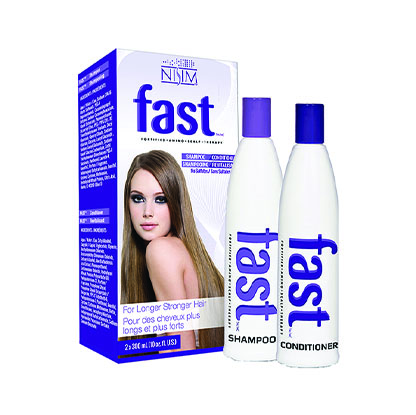
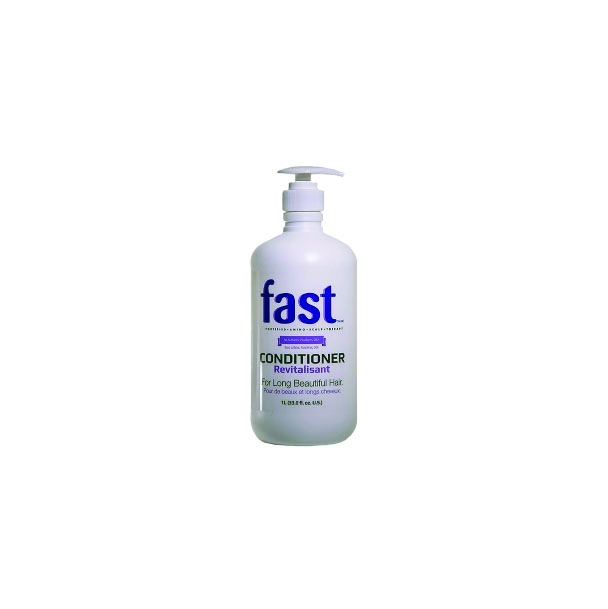
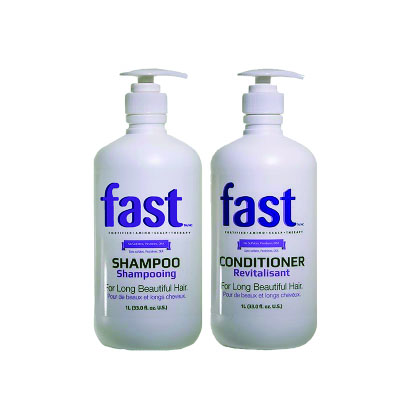
Nisim International has been in business for over 25 years producing quality hair products guaranteed to what they say they will do.

Is Stinging Nettle Capable Of Stimulating Hair Growth?

Stinging Nettle is a plant that can be found all over the world.


There's been a lot of study on hair growth, and stinging nettle hair benefits have also been examined. Scientists were searching for methods to promote hair growth in one study. They checked out various variables such as the time of day to apply hair masks, the temperature of the treatment, nutrition supplements, and mechanical stress by massaging treatments.


There was a hair treatment called "hair growth formula" that contained saw palmetto extract and stinging nettle extract. When researchers compared this hair growth solution to another hair conditioner made with only a stinging nettle herb, they discovered that there was no significant difference in the rate of hair regrowth. They surmised that hair masks containing


There are no studies on the hair benefits of topical stinging nettle application, so it is likely that it will have no impact on hair growth. Topical application refers to applying a product to your skin rather than putting it in your system.


Many diseases have been treated with the stinging nettle, which has a long history of medicinal usage. Some of these treatments include arthritic pain relief, hay fever alleviation, and muscular ache alleviation. Of all of these claimed advantages, one that sticks out is that stinging nettle was supposed to promote hair growth in both men


Does it work?


According to this research, applying a 10% solution of dried Urtica dioica extract directly onto the skin has been found to stimulate hair development when applied topically. It should be noted, however, that the solution contained an unidentified "growth factor" in addition to the Urtica dioica extract.
image
image
image
image

Hair follicles were exposed to nettle extract in a medium, and their hair shaft generation was greater than those not exposed to the extract, according to another study. In addition, stinging nettle shampoo use for up to six months has been observed to promote hair growth in both men and women with thinning hair.


Based on the evidence, it appears that stinging nettle does, in fact, help to promote hair growth when applied topically or taken orally for a long period of time.


***


The Benefits Of Stinging Nettle:

Stinging nettle leaves and roots are high in such vitamins as C, K, B1, B2, and B3; manganese; choline; beta-sitosterol (a plant steroid); potassium; calcium; magnesium; copper; fiber; protein.


Reduce Inflammation. Treat Enlarged Prostate Symptoms. Treat Hay Fever. Lower Blood Pressure. Aid Blood Sugar Control. The hair will be much stronger and less prone to breakage A stinging nettle hair mask may be used once or twice a month, after applying an ordinary hair treatment. The stinging nettle herbal tea made of stinging nettle leaves must be washed from the hair mask. These two hair treatments are enough to accelerate the growth of your hair by a significant amount! And this is not surprising given that net


Blood flow to hair follicles is the most crucial prerequisite for hair regeneration. As a result, stinging nettle's ability to promote blood circulation to the scalp isn't surprising: it helps improve blood flow to the scalp! You may eat sautéed stinging nettle leaves or apply them as a compress on your head once every three days.


image

image
image
image

Does Hair Loss And Hair Growth Have Anything To Do With Stinging Nettle?

Stinging nettle root extract may cause hair loss and regrowth, according to Hair-loss.ca. Allantoin is the plant that helps promote hair thickening and minimize hair loss, says the website. It also promotes hair follicles. There is no substantial evidence that stinging nettle roots improve hair growth; nevertheless, there is some limited


Because large doses of the extract can induce severe negative effects such as nausea, vomiting, diarrhea, and stomach discomfort, you should only ingest a tiny amount of it.


Before taking stinging nettle root extract to cure hair loss or promote hair growth, it is critical that you talk with your doctor. This will guarantee your safety as well as the treatment's efficacy.


Over-the-counter hair treatments can have a variety of negative effects, including dandruff, headaches, stomach cramps, hair loss, and skin rashes. An allergy to one of the chemicals used in their manufacture might be responsible for these side effects. If your doctor prescribes any medication, make sure you get it from a reliable pharmacy


Stinging nettle, an herb more often used for cooking and as a homeopathic medication, might help with both men's and women's hair health, according to some hair specialists.


Beta-sitosterol, glycosides, flavonoids, tannins protein, iron, and zinc are all components of this plant that help to promote hair growth. Silica is the most important component since it provides hair shaft flexibility. Only what your doctor advises you to take because it can clash with other medicines such as diuretics and lithium


image

image
image
image

The stingy net has been used as a hair tonic since ancient times and is frequently included in hair care products. It increases hair shaft strength, reduces hair fall, and improves hair shine by enhancing the strength of the hair shaft. It also raises the density and darkness of your locks, making it a natural herbal dye that promotes growth.


Scientists are uncertain about how stinging nettle root works, although it may function similarly to minoxidil, an antihypertensive vasodilator drug that promotes hair growth on balding scalps. The stinging nettle root extract has been discovered to work like prostaglandin E2 (PGE2), which improves blood flow.


The optimum time to consume this herb is just before going to sleep, suggesting that hair health may be enhanced while you are sleeping.


Is Stinging Nettle Capable Of Stimulating Hair Growth??

Stinging nettle hair growth is a hair treatment that has recently gained traction in the hair-loss community and blogs. Stinging nettle root extracts are used in stinging nettle hair growth products, which include high amounts of minerals, vitamins, and other nutrients for healthy hair development.


The high amounts of amino acids and vitamins in the extract from stinging nettle root have been proven to aid hair development. Not only that, but it also promotes hair regeneration by stimulating hair follicles and hair roots. Furthermore, stinging nettle extract can improve blood circulation in the scalp and stimulate hair follicles and hair roots by increasing growth hormones


Since ancient times, people have used stinging nettle hair growth to encourage natural hair growth and promote hair regeneration by stimulating hair follicles. Stinging nettle hair growth was utilized as a haircare item in ancient China because of its capacity to prevent hair loss and promote re-growth.


Hair loss sufferers in Europe also take hair growth supplements that contain stinging nettle extract since it is a natural hair regeneration solution that can rejuvenate hair follicles and hair roots. Ingredients such as amino acids and vitamins aid in the thickening of hair strands from the inside, making them appear healthier and well-nourished.


Stinging nettle root is also a popular hair loss treatment in hair restoration salons throughout Europe because it promotes new hair growth and prevents hairs from falling out. Stinging nettle scalp stimulation has been used since the early 1700s as a traditional hair care product for the purpose of stimulating new hair growth and preventing hair loss.


image

image
image
image

Hair growth products containing stinging nettle hair growth are becoming increasingly popular on hair loss websites and blogs, as more people grow concerned with thinning, fraying, and losing their hair. Stinging nettle hair growth supplements are natural hair regrowth supplements that have high amounts of amino acids and Vitamins A, B1, B2, D.


Thank you for reading this article!


Archive