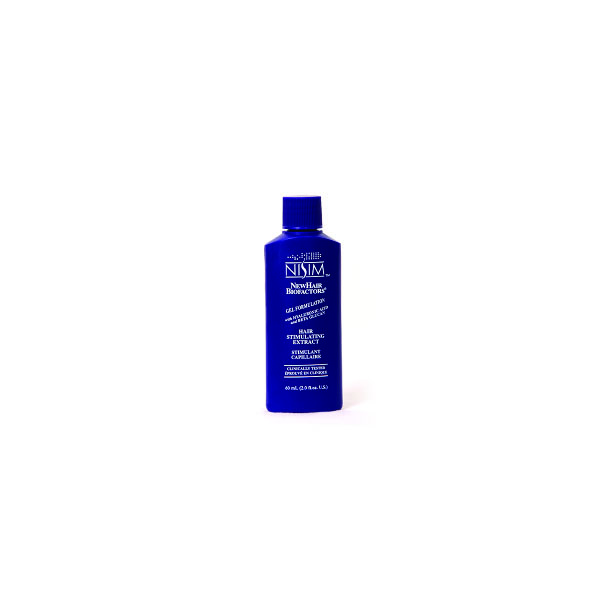
Nisim International

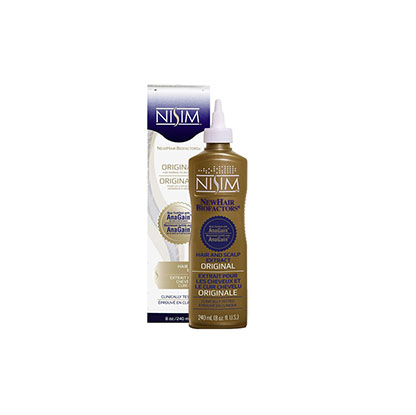
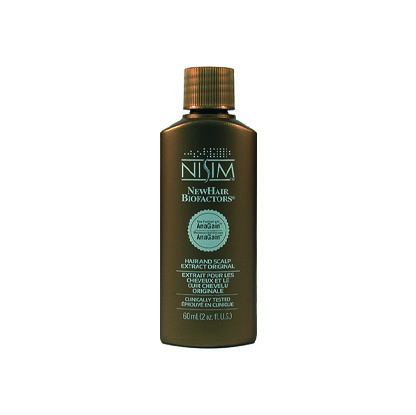
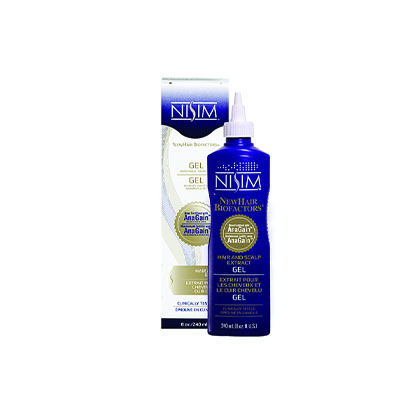
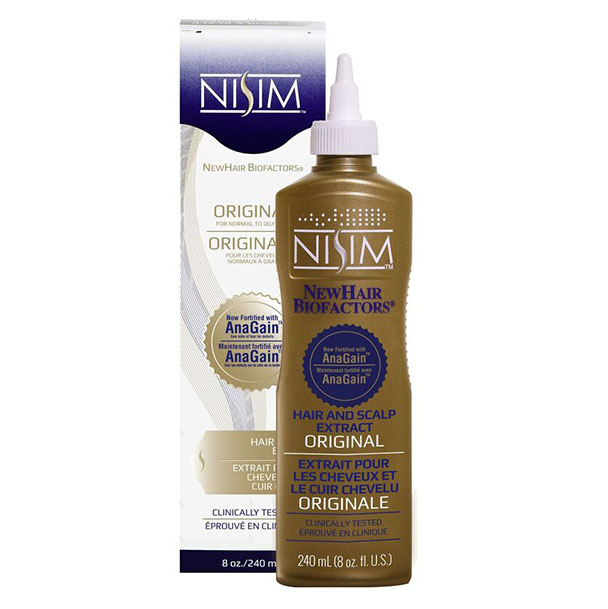
Nisim International has been in business for over 25 years producing quality hair products guaranteed to what they say they will do.

Is It True That Bad Nutrition Causes Hair Loss?

Because stress on the hair caused by health problems such as diabetes mellitus, malnutrition, and alcohol abuse is becoming more prevalent, men's hair loss is increasing in popularity.


All of these things cause hair thinning, which results in the slowing of oxygen delivery to the scalp enough that hair follicles become damaged and lose their strength, resulting in shorter, stronger hair with decreased potential for new healthy hair to grow. This type of loss is usually irreversible, but allantoin-based medicines have helped stimulate hair growth back fuller and thicker by improving hair follicle health.


Hair loss is the thinning, breaking, or falling out of hair before it reaches its natural length. Hair loss can be caused by a variety of factors, including medications, malnutrition, stress, nutritional deficiencies, and low thyroid function. Nutritional shortages can frequently be reversed.


The source of hair is the follicle. Hair growth begins at the root. Hormones and nutrients control hair development. Hair loss can be caused by a receding hairline, balding, or patchy thinning.


Hair loss caused by poor nutrition is known as nutritional deficiency alopecia. Nutritional deficiency alopecia occurs when adequate protein or important vitamins and minerals are not consumed for healthy hair development. Hair loss resulting from hunger affects both men and women. If left untreated, nutritional deficiency alopecia is irreversible. Nutrition can be used to promote new healthy hair growth if it is insufficient, which will prevent or stop hair loss caused by malnutrition


image
image
image
image

Malnutrition occurs when the quantity of nutrients consumed through food, illness disrupts digestion and absorption, or states require individuals to burn more calories than they consume.


Hair loss is caused by both undernourishment and starvation. Hair loss can be induced by diseases that need a high amount of energy, such as cancer or HIV/AIDS.


Hair loss owing to nutritional inadequacies or starvation can occur at any age, although it is more prevalent in adults than children. Hair pattern baldness does not stem from poor dietary practices since food scarcity is not the underlying reason for hair loss; instead, malnutrition severe enough to cause hair loss generally results from an underlying chronic or debilitating illness that causes insufficient nutrition intake.


Protein, vitamin, and mineral intake may be increased to bring levels within acceptable ranges in order to prevent or treat hair loss caused by starvation. Hair loss can also be reversed as new hair develops.


Celiac disease is a form of gluten sensitivity that affects the body's ability to absorb nutrients from food. Hair loss can be prevented or treated by increasing a person's protein, vitamin, and mineral intake. Hair loss may also be reversed as new hair growth begins.


image
image
image
image

The Following Are Several Examples Of Dietary Deficiencies That Cause Hair Loss:

Malnutrition is a condition in which people do not get enough nutrients from the foods they eat to maintain healthy bodily functions. Hair loss due to malnutrition can be prevented or treated by increasing the person's protein, vitamin, and mineral intake. Hair loss may also be reversed as new hair growth begins.


Biotin is a water-soluble B vitamin. Hair loss as a result of biotin insufficiency is uncommon, and it typically affects individuals who have been fed via an intravenous tube for lengthy periods or those who are taking medications that inhibit biotin metabolism. Malnutrition caused by a microflora condition can be reversed.


At the bottom of the follicle, beneath the skin, hair growth begins. Hair loss caused by hunger can be treated with nutritional supplements such as biotin, iron, and vitamin B12. If left untreated, hair loss due to malnutrition is permanent. Improving nutrition can help prevent or cure hair loss caused by starvation.


Hair loss is the thinning, breaking, or falling out of hair before it reaches its normal length. Hair growth begins at the base of a follicle beneath the skin. Biotin, iron, and vitamin B12 supplements can help if you're losing hair because of hunger. If left unchecked, hair loss due to starvation is permanent; therefore, nutrition must be increased in order to promote new healthy hair development.


Hair loss itself is not necessarily deadly, but it can cause emotional strain in certain people. Trichotillomania (hair-pulling disorder), chemical hair treatments, harsh hairstyling methods, scalp infections, medications such as chemotherapy drugs used for cancer therapy that target rapidly dividing cells like hair roots, hormonal imbalances like hypothyroidism, and physical trauma to the hair roots are all potential causes of hair loss.


image

image
image
image

Protein, vitamin, and mineral intake can be increased to bring levels back into normal ranges if a person's diet is insufficient. Hair development begins at the base of a follicle beneath the skin. Hair loss due to malnutrition is irreversible if left untreated. If not treated, hair loss due to starvation is permanent. Hair loss itself is not necessarily deadly, but it can cause emotional strain in certain people.


CONSLUSION


Hair loss can be caused by a variety of factors, including hair-pulling disorder, chemical treatments for hair, harsh hairstyles that pull at the roots of the hair, scalp infections, chemotherapy medicines that target rapidly dividing cells like hair roots, hormonal imbalances such as hypothyroidism, and physical trauma to the hair roots.


Protein, vitamin, and mineral intake can be increased to restore nutritional status to normal ranges in order to prevent or cure malnutrition-related hair loss. The base of a follicle is where hair begins growth. Starvation-related hair loss is not supported by medical research; as a result, proper nutrition must be maintained to promote healthy hair development. Hair loss is not deadly on its own, but it may be emotionally distressing for the afflicted individual.


image
image
image
image
Archive