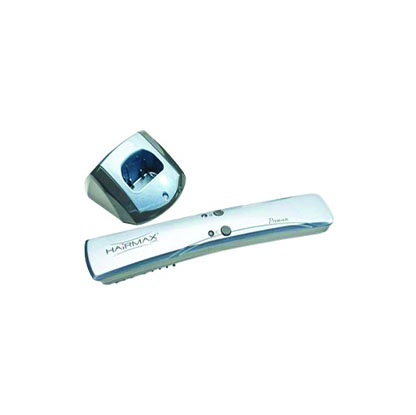
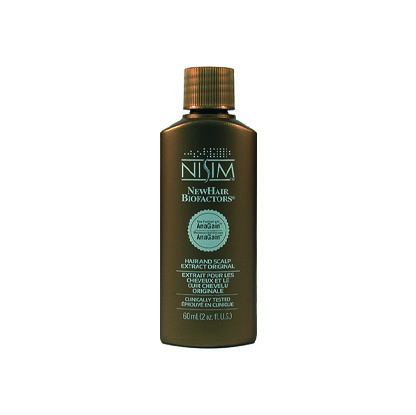
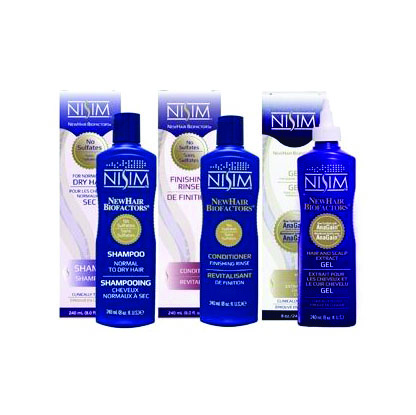
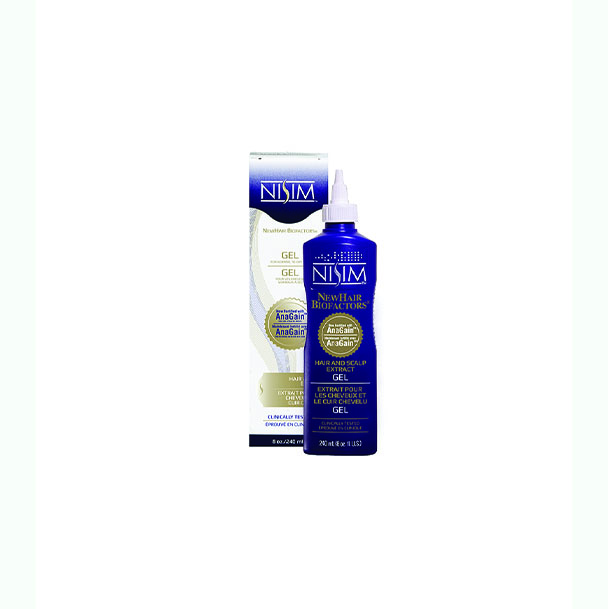
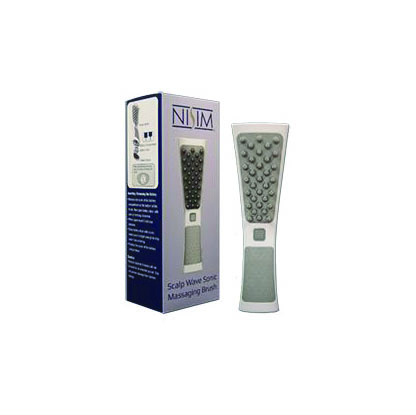
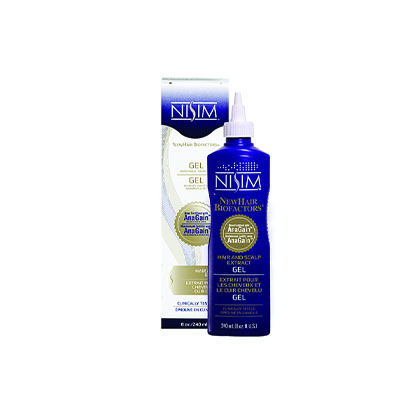
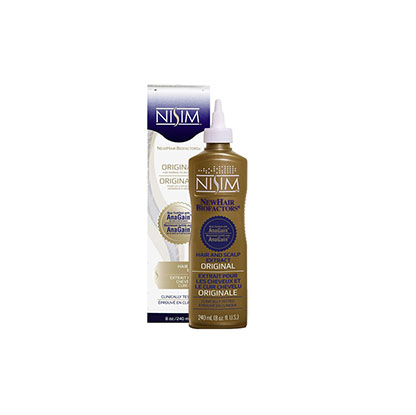
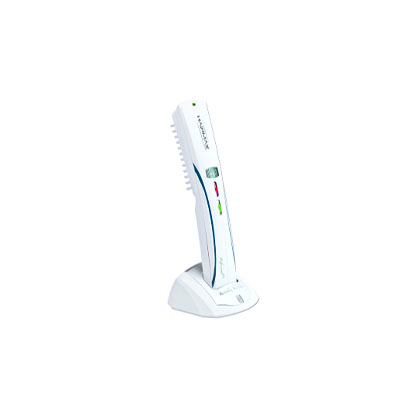
Nisim International has been in business for over 25 years producing quality hair products guaranteed to what they say they will do.
When most people think of hair loss, they automatically connect it to heredity or hair-care routines. Malnutrition, on the other hand, might be a cause of hair loss and baldness in the body.
The protein in your hair is called keratin. If you don't get enough nutrients from food, your hair can become weak and brittle, causing it to break. Vitamins B12 and iron, as well as meals that are high in vitamin B12 and iron content.
Surprisingly, hair loss is linked to anemia, which occurs when the body does not have enough red blood cells to transport sufficient oxygen throughout the body. Vitamin B12 aids in the creation of healthy red blood cells in your body.
Because hair is essentially deceased tissue that requires certain minerals like iron and proteins to survive, it needs a good deal of iron. Iron may be found in dark-green leafy vegetables such as spinach and broccoli, as well as meat, fish, poultry, nuts, legumes, and fortified cereals. If you don't like these foods or are dealing with nutritional deficiencies due to food allergies, you should talk with your doctor about dietary supplements or multivitamins that can help cure hair loss.
Stress, in addition to malnutrition, is a frequent cause of hair loss. Stress can alter your neurotransmitters and hormones, causing hair loss. Vitamins B6 and B12 aid in the reduction of stress-induced hair loss.
Your hair is composed of keratin, which also accounts for your hair, skin, and nails. It's fascinating to learn that a vitamin deficiency can cause hair loss; usually, it's from B vitamins.
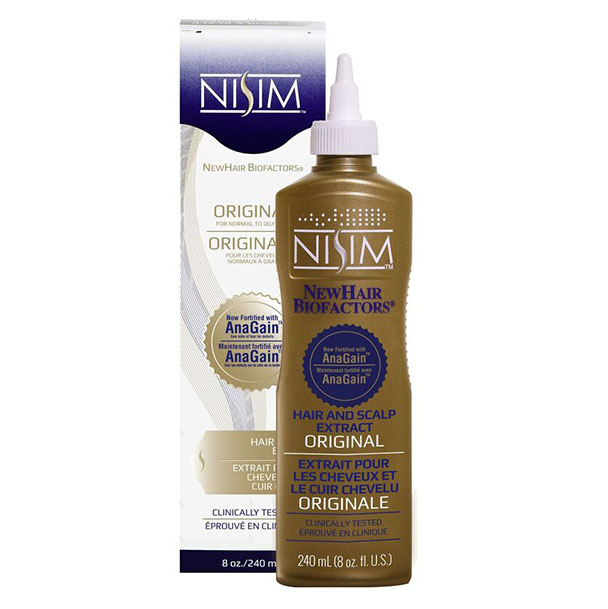
Thiamine, riboflavin, and niacin help the body to make new hair. These vitamins are required for the maintenance of a healthy nervous system. You require these nutrients to heal damaged or destroyed hair follicles in order to prevent hair loss. This is especially true if your diet lacks foods such as leafy greens, eggs, dairy products, meat, and fish.
Most women lose hair during pregnancy as a result of the numerous adjustments in their bodies. Get enough folic acid in your diet if you're expecting it. B vitamins aid in the formation of red blood cells in bone marrow, as well as being beneficial for hair and hair follicles.
Hair loss is a frequent issue among people. Male hair loss, on the other hand, is more apparent than female hair loss. Hair loss in men often happens when male hormones called androgens expose the hair follicles to
Hair loss due to starvation is slow, and it might take months before significant hair thinning becomes visible. Hair breakage on strands that aren't even shedding yet may be possible as well.
Many people are uncertain whether hair hunger causes hair loss or thinning. Malnutrition is a condition that develops as a result of consuming too little or excessive amounts of the incorrect types of food, resulting in nutritional shortages. Deficiencies can include deficits in proteins, vitamins, and minerals required for healthy hair growth and strength. The hair root needs a consistent supply of these elements in order for the roots to develop robust healthy hairs that may fall out over time.
Hair growth is aided by a protein found in meat, fish, and dairy products, among other things. Protein insufficiency can lead to hair loss. Vitamin deficiencies can also cause baldness; however, it is more prevalent in children than adults who are more prone to suffer from malnutrition due to a poor diet rather than a lack of vitamins.
Protein and minerals may help hair loss problems caused by starvation, according to a study. Such supplements are also beneficial for individuals undergoing hair transplant surgery, who require extra nutrients since the transplanted hair follicles need to absorb more blood, making them prone to hormonal imbalances.
Protein-energy malnutrition is one of the most prevalent causes of hair loss. Hair shedding can be associated with a diet that lacks protein, vitamins, and minerals. Individuals who are experiencing alopecia or thinning hair due to malnutrition may benefit from being aware of it as soon as possible.
Hair follicles require nutrients for hair growth. Hair loss and development are both critical since hair follicles are delicate cells that need adequate nutrition in order to function properly. When humans lack the necessary vitamins, minerals, or proteins needed for basic life processes, such as the production of healthy hair, they become malnourished.
When hair loss and breaking off occur, most people would assume they have a serious illness, such as cancer. Hair thinning and breaking off, on the other hand, are typical and reversible hair issues.
Malnutrition can appear after a long or short period of time without adequate nutrients for hair growth, such as when switching to a new diet. Anemia inhibits the ability of hair follicles to produce hair. Hair cells are damaged by biotin deficiency due to an inadequate diet, leaving them weak and brittle.
A deficiency of Vitamin B12 in the circulation may result in Alopecia, an illness that causes hair loss on the scalp and other parts of the body. Hair loss is caused by a lack of Vitamin C in your diet.
The hair shaft acts as a protective sheath for the hair follicles, which obtain nutrients via blood vessels. Hair loss is caused by a lack of nutrition, resulting in malnutrition and a variety of hair issues.
Vitamin C deficiency can lead to poor hair development, which may result in abnormal dermal tissue formation within the haircutting canal, scarring, or inflammation. Vitamin deficiency can also cause an increase in sebum production from glands around hair follicles, resulting in a build-up of oil inside pores known as microcomedones.
Hair conditioners, shampoos, and other hair products can cause hair breakage and fall. Hair coloration and perm treatments are also known to damage hair shafts. If individuals do not follow the proper procedure, they might develop male pattern baldness as a result of tinting their hair black. This happens because the dye interacts with oxygen in the air, generating iron oxide, which promotes oxidative damage to one's locks.
Hair loss is more likely in persons who use certain medicines, as some medicines reduce the production of cells involved with generating new hairs. Hair loss can also be a result of chemotherapy drugs cyclophosphamide, which is used to treat several cancers, such as lymphomas and leukemias.
Conclusion
Nutritional hair loss is a condition in which individuals' nutritional needs are not met by the food they consume, leading to hair loss. Hair loss occurs as a result of malnutrition since one's nutritional requirements aren't satisfied by the food consumed. If you don't get enough Vitamin A, iron, protein, B Vitamins, EFA (essential fatty acid), Copper, or Zinc, these nutrients are essential for hair health and shine.
Hair nutrition is crucial for maintaining a healthy, well-balanced diet that contains proteins and other important nutrients. Maintaining a good head of hair requires a nutritious, well-balanced diet that includes lots of proteins and other essential minerals. A hair regrowth supplement can be beneficial to those who have lost their hair as a result of any cause, as well as regular treatments at the nearest hair restoration clinic to help speed up the growth process.