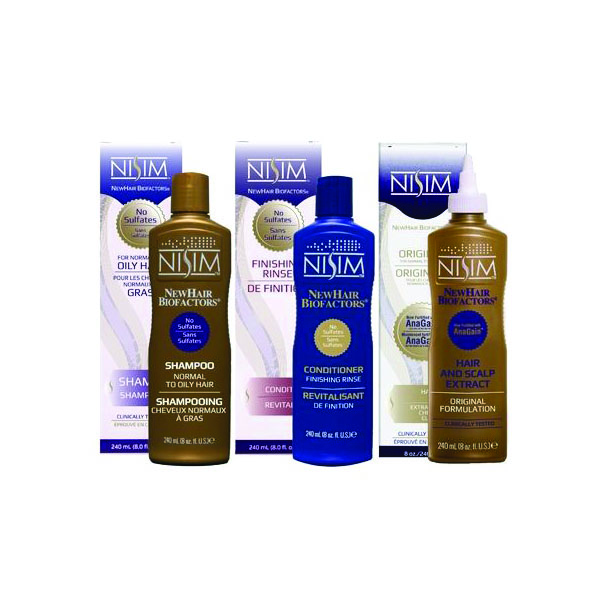
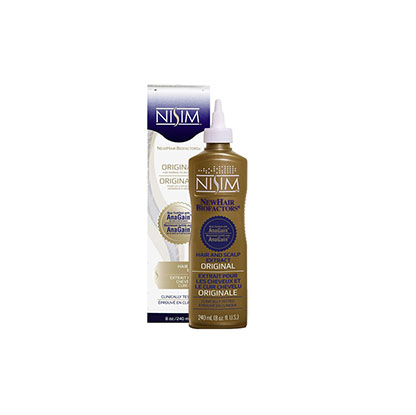
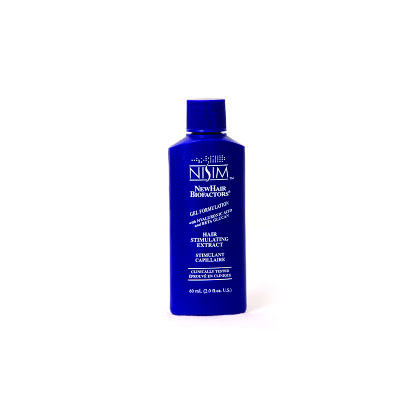
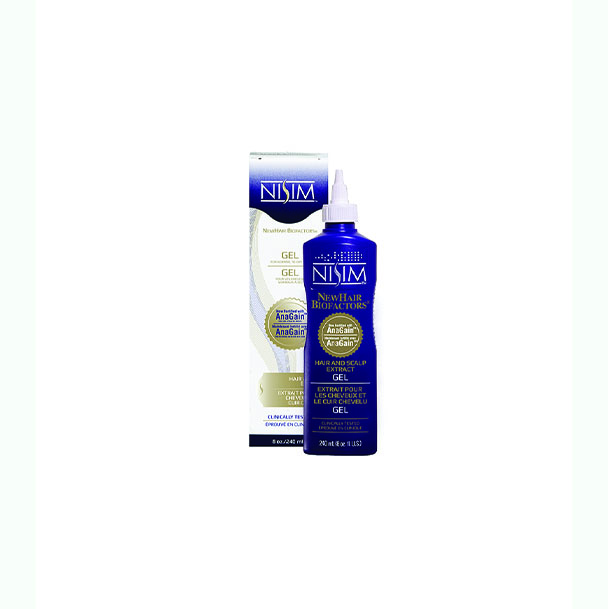
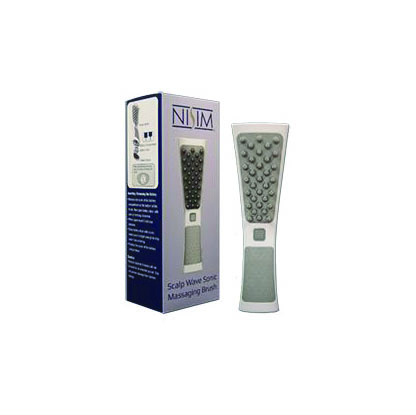
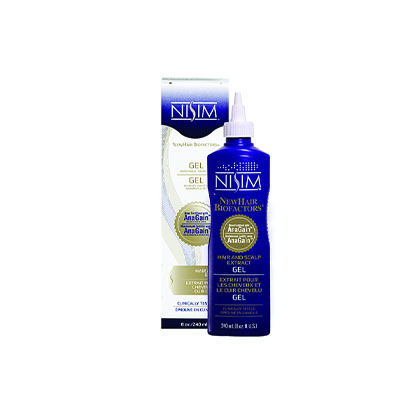
Nisim International has been in business for over 25 years producing quality hair products guaranteed to what they say they will do.
Is alcoholism linked to hair loss? Alcohol abuse has long been associated with hair loss, but it isn't always that simple. Hair falling out in heavy drinkers appears to corroborate the notion that alcohol consumption causes hair loss, on the surface. Hair loss in alcoholics, on the other hand, is considerably more likely due to nutritional deficiencies and vitamin ins
Hair loss has been connected to alcohol abuse. While hair loss is one of the most obvious effects of alcoholism, it is actually less common in heavy drinkers than hair loss due to malnutrition and vitamin deficiencies.
Hair loss has long been associated with heavy drinking, although it is only becoming recognized as a symptom of addiction in recent years due to popular culture. Hair loss can be observed in heavy drinkers; individuals battling alcohol addiction frequently have a lot of hair loss as well as brittle nails and dry skin. It can also cause hair breakage or color changes, but
Alcohol is a diuretic, which means it increases urination and causes dehydration. Hair loss may occur as a result of excessive alcohol consumption because heavy drinkers do not get enough nutrients from their meals. When hair falls out in heavy drinkers, it's usually due to nutritional deficiencies.
Hair loss in heavy drinkers, on the other hand, might be a symptom of liver damage or another serious health issue. Hair loss and hair breakage are common side effects of heavy drinking. Heavy drinkers who have lost their hair should see a doctor determine whether it is due to hair breakage or hair discoloration.
Alcoholism is a serious mental illness caused by an inability to control alcohol consumption. For some people, particularly those who lose hair in a particular pattern and are accompanied by other symptoms such as depression, nausea, and vomiting, chronic heavy drinking can have a significant influence.
Symptoms Of Alcohol-Related Hair Loss:
The most characteristic of hair fall related to alcoholism is hair loss in specific patterns.
Hair loss on both men and women is typically found on the hairline and crown, although females frequently face hair thinning around their parting or more apparent at the hairline. Hair fall may be caused by alcohol consumption, which begins with a receding hairline and progresses to male pattern baldness.
It's also typical for alcoholics to report hair loss, as they believe their hair is brittle and comes away whenever it comes into contact with anything (such as clothing). Dry scalp caused by alcoholism, combined with an oily sensation in their hair, maybe the cause.
It is uncertain whether alcohol use causes hair loss. Alcoholism has been linked to two theories of hair loss:
1. When you consume alcohol, the hair follicles dehydrate, resulting in dry and brittle hair that frequently breaks or falls out.
2. The blood that nourishes hair is also needed to keep it healthy; heavy drinking inhibits the blood flow in tiny capillaries that feed hair follicles, causing hair loss.
Heavy drinking has also been linked to weight loss, vitamin deficiency, and protein deprivation. Because alcoholic beverages have such a low nutritional value, excessive drinking can lead to vitamin deficit and protein scarcity. Hair loss can be caused by biotin insufficiency, niacin or thiamine deficiency, or other vitamins such as niacin or thiam
Hair loss can be caused by a lack of nutrients or a vitamin deficit, as alcohol consumption inhibits the body's ability to absorb vitamins. Hair fall might also be induced by drinking since it dehydrates hair follicles and disrupts blood flow in capillaries feeding them.
Hair loss is defined as the thinning, rubbing off of hair easily, or the breaking of strands. Hair loss induced by alcohol is usually short-term and can be reversed when alcoholism treatment has begun.
To improve the health of hair follicles, it is suggested that you eat protein-rich foods like fish, beef, chicken, and dairy products that include important vitamins for hair growth.
Nutritional hair loss is difficult to detect until the hair has begun to thin. To identify if one's hair loss can be linked to nutritional deficiencies or other causes, a dermatologist should examine the scalp for signs of hair loss.
Hair loss can be caused by a lack of vitamin A, biotin, B6, or iron. Carrots, sweet potatoes, and broccoli are all good sources of these vitamins.
Hair loss caused by drinking alcohol might be temporary if there is poor nutrient absorption owing to alcohol abuse, which leads to malnutrition; hair loss resulting from alcohol consumption may be reversible. One should consume hair-healthy nutrients such as vitamin A, biotin, B6, and iron-rich foods to promote hair development.
Alcoholism can not only cause hair loss, but it may also dry out hair follicles and decrease blood flow to capillaries that supply the follicles.
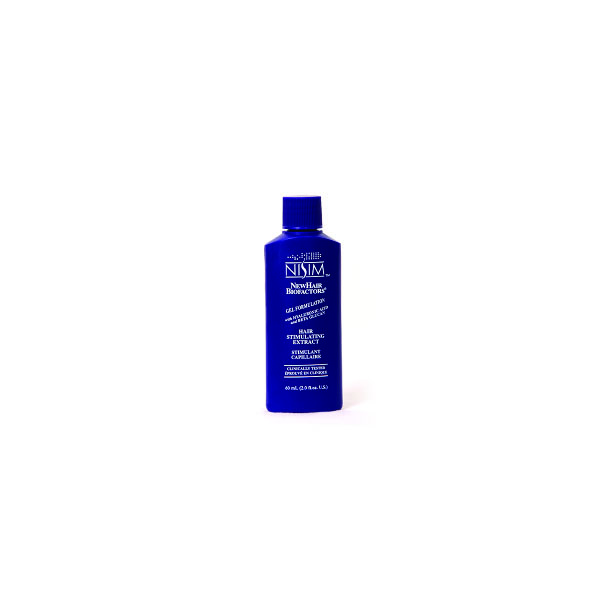
It's critical to begin treating hair loss as soon as possible before the root of your hair has been destroyed.
Conclusion:
Hair loss in heavy drinkers is frequently caused by malnutrition and vitamin deficiencies, but it might also be a symptom of liver damage or other health issues. Anorexia and starvation are prevalent among heavy drinkers, resulting in hair loss as well as hair breakage and color change. Hair loss in heavy drinkers should be diagnosed by a physician to assess whether it's
Alcohol abuse has long been linked to hair loss, but it isn't always so simple. Hair falling out in heavy drinkers appears to support the notion that alcohol causes hair loss. However, hair loss in alcoholics is more often due to nutritional and vitamin shortages than due to alcoholism itself.
Thank you for reading this article!