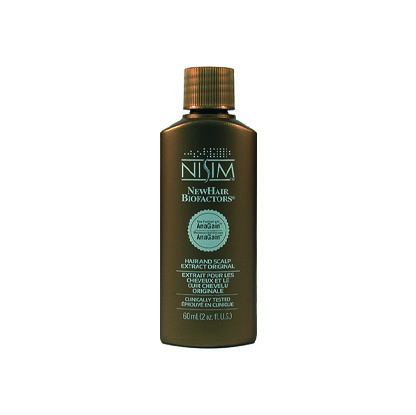
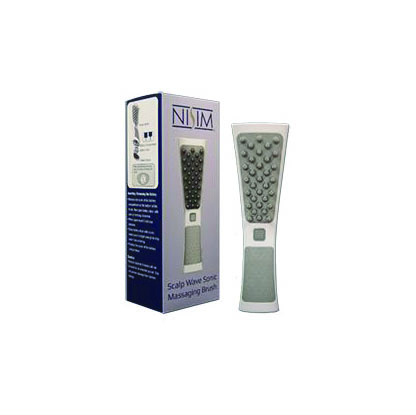
Nisim International has been in business for over 25 years producing quality hair products guaranteed to what they say they will do.
Hair loss is strongly inherited. According to research, androgenetic alopecia (AGA), which causes hair loss in both men and women, is partially or fully influenced by genetics and linked to gender. This implies that male baldness may be passed on from father to son. While the majority of alopecia cases are hereditary.
The most common cause of male-pattern baldness in males is a genetic condition that results from your parents' genes. Other reasons include certain medications, too much vitamin A, or a lack of protein. Telogen effluvium can occur suddenly and very abundantly when someone is sick or stressed.Good news, though: Hair loss that isn’t from male-pattern baldness often reverses itself.

Alopecia areata is an immune system-based illness in which the body's defense mechanism attacks hair follicles, causing hair loss. Hair can be lost on any part of your body, including your scalp, within your nose, and in your ears. Some people lose their eyelashes or eyebrows as well.
The immune system of your body attacks your hair follicles, causing small sections of hair to fall out. There is no pain or illness associated with it, and it is not contagious. Your hair may grow back but also fall out again.
Most people lose some hair as they age, owing to the slowing of hair growth. The growth of hair follicles eventually stops, causing the hair on our scalp to thin. Hair also begins to fade in color. A woman's hairstyline naturally begins to recede over time.
If you color, perm, or relax your hair, you could be damaging your hair. Over time, this damage can lead to hair loss
Yes, hair loss can be treated. It may also aid in the regrowth of lost hair. The sooner treatment is administered, the more effective it is. You will continue to shed hair unless you get therapy.
If you are having trouble with persistent hair loss in yourself or your child and want to get treatment, see your doctor. If you're a woman with a receding hairline (frontal fibrosing alopecia), discuss early therapy with your doctor to avoid serious permanent baldness.
If you or your child's hair is suddenly or patchily lost, talk to your doctor. Excessive or continuous hair loss while combing or washing may be a symptom of an underlying medical condition that requires treatment.
Prevention
The majority of baldness is caused by genetics (male-pattern and female-pattern baldness). This form of hair loss cannot be prevented.
These tips may help you avoid preventable types of hair loss:
Use a detangler and resist tugging when brushing and combing your hair, especially when wet. A wide-toothed comb might help prevent pulling out strands of hair. Avoid using harsh treatments such as hot rollers, curling irons, hot-oil treatments, or permanents if possible. Limit the tension on your hair from styles
Consult your doctor about medicines and supplements you take that might cause hair loss.
Use a sunscreen to protect your hair from the sun.
Stop smoking. Some studies show an association between smoking and baldness in men.
A cooling cap can help you avoid hair loss if you're undergoing chemotherapy.
It's more difficult to retain your hair than it is to get it back once it's been lost. However, be cautious as you look into your alternatives. The majority of "miracle" cures and therapies are nothing but frauds. When in doubt, contact your doctor or a dermatologist for assistance.