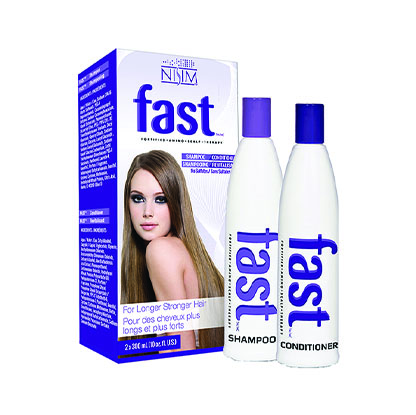
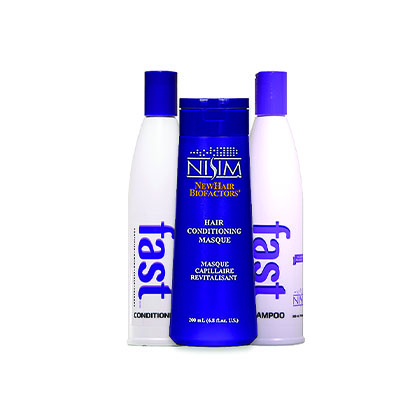
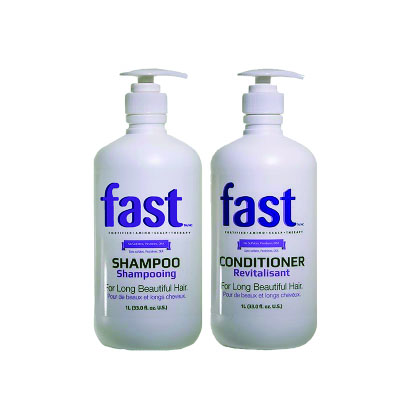
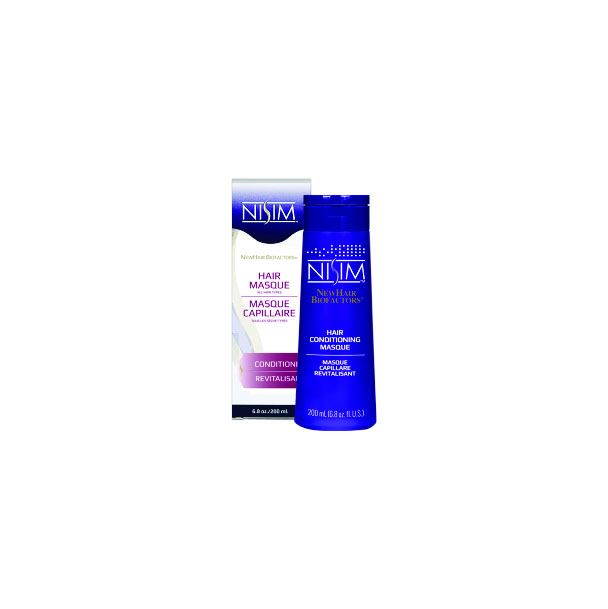
Nisim International

Nisim International has been in business for over 25 years producing quality hair products guaranteed to what they say they will do.

Harmful Ingredients To Avoid In Your Hair Products

I'd like to make a small clarification: I am not a scientist, just a girl who is interested in her hair and enjoys doing research. In this post, I'll go through some of the dangerous components you should avoid in your hair products.


Sodium lauryl sulfate (SLS) and sodium laureate sulfate are two common types of chemicals found in most commercial shampoo and conditioner products. These "detergents" remove oil, dirt, and dead skin cells from your scalp so it can be cleansed. Only a strip of your natural oils is left behind after the l


Most shampoos contain lathering surfactants, which are chemicals that produce a lot of foam when added to water. The greater the number of bubbles, the more appealing it appears on a shelf for you to purchase! What appears best isn't always what's good for your hair.


When it comes to our hair, we seek the best of the best. When it comes to improving the appearance and feel of our hair, we look for goods that will do so. Some products, on the other hand, contain hazardous chemicals that can cause more harm than good.


You've studied up on parabens, sulfates, phthalates, silicone polymers, mineral oil, and petroleum derivatives. Before buying anything that might come into contact with your skin, you double-check the labels. Now that you know all about parabens, it's time to learn what to look for in hair treatments. If you want beautiful hair, avoid using the items listed below since they damage or dry out your locks.


Other Harmful Ingredients To Avoid In Your Hair Products Include:

image
image
image
image

1. Parabens - Triclosan, triclocarban, and propylparaben are a few of the most common antibacterial chemicals found in shampoos, conditioners, and body washes for children. According to studies conducted by the CDC, parabens might be causing or stimulating the development of breast tumors.


2. Sodium Lauryl Sulfate (SLS) -Essentially, this component is a surfactant and cleanser that can remove oil from hair and therefore strip it and create more damage than benefit. This chemical has been observed to cause skin irritation in some individuals.


3. Ammonium Laureth Sulfate - The use of sodium cocoyl taurate is a little more contentious. It's not as harsh on the skin as sodium lauryl sulfate, but it's still rather abrasive. As a detergent cleansing agent, it's widely employed in shampoos, body washes, bubble baths, liquid soaps, and cleansers


4. Phthalates - Phthalates are a type of plasticizer that makes things more pliable, as well as solvents in fragrances. They've been linked to reproductive problems, birth defects, cancer, and endocrine disruption. Throughout Europe, several phthalate types have been prohibited from usage in cosmetics.


5. Propylene Glycol - Humectants attract moisture to the skin and its chemical is a humectant, which means it attracts moisture to the skin. It's used in a variety of personal care products, including shampoos, conditioners, lotions, moisturizers, and sunscreens. It could irritate the skin and be once thought to be carcinogenic


6. Mineral Oil - It's a petrochemical by-product that coats the hair shaft, preventing moisture from getting in and causing dryness and frizzies. It can also make treatments more difficult to penetrate into the hair shaft, making them less effective.


image
image
image
image

7. Petroleum Jelly - It's a moisturizer that's used in the oil refining process to prevent skin from becoming dry or cracked. It can also be utilized to treat chapped lips. Petroleum Jelly has the disadvantage of clogging pores and causing acne.


8. Silicones - The following components are included in hair treatments to make them appear brilliant and assist with detangling. They cover the hair shaft, making it difficult for other products to enter and function. Over time, they may accumulate on the hair, causing it to become heavy and greasy.


9. Fragrances - Some fragrances, like formaldehyde, include phthalates and other chemicals that can irritate skin and cause allergic responses. In some people, they may cause skin irritation and allergies. To prevent artificial fragrances, use any product with a natural fragrance.


10. Triclosan -This chemical is a germ-killing component in antibacterial cosmetics such as hand soaps, toothpaste, and body washes. It's a hormone disrupter that has been linked to cancer.


There are several wonderful hair care products on the market that don't include these hazardous chemicals. So do your research, read the labels, and pick healthy hair options for yourself.


image
image
image
image
Archive