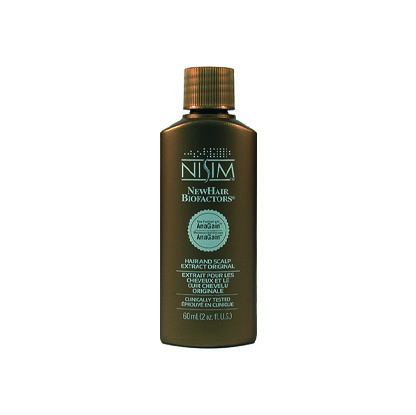
Nisim International has been in business for over 25 years producing quality hair products guaranteed to what they say they will do.
The structure of a woman's hair is quite different from that of a man's.
Hair loss in males can be caused by a variety of factors other than hereditary ones, including stress, fungal infections, thyroid diseases, and others.
The most common causes of hair loss or thinning in women are Postpartum hormone changes, thyroid diseases, and illness/stress/anxiety, among other things. Genetics has a significant role in bringing about this sort of issue. We'll talk about the genetics associated with alopecia in this section.
The hair growth cycle is divided into three phases: Anagen, Catagen, and Telogen.
Anagen is the phase of growth in which the cells proliferate rapidly to produce new hair, which typically lasts 3-4 years. Catagen is a brief 2-week transitional stage during which the lower portion of the follicle shrinks and detaches from its blood supply, allowing for simple flaking of dead club hair when brushed or washed. nThe third phase Telogen, i.e., old or resting hairs generally lasts for three months before falling out and being replaced by fresh hair.
Other than hereditary factors, postpartum hormonal changes, thyroid disorders, and illness might all cause hair loss in ladies. Genetic predisposition is important in the development of this sort of issue.
Autosomal dominant, autosomal recessive, X-linked, and Y-linked characteristics are all hereditary causes of male baldness.
Male Pattern Baldness (also known as Androgenic Alopecia) is a kind of alopecia that affects many people. It is a typical form of alopecia with a distinct clinical manifestation.
The most frequent type of hereditary hair loss, known as the Male Pattern Baldness, affects over 95% of individuals and is caused by a genetic defect. Males are more prone to acquire this characteristic than women.
When both parents have a gene for Hair Loss from one parent and one gene for Hair Loss from the other, their offspring are 50% likely to develop hair loss disease. The following forms of baldness can be seen in Autosomal Dominant Hereditary:
The most frequent type of hair loss is androgenetic alopecia, which is also known as Familial or Genetic Alopecia. This form of baldness is brought on by the sensitivity of hair follicles to androgens (male hormones), with 80% of hereditary baldness cases being caused by it.
1) If family members have androgenetic alopecia, there's a 50% chance that the gene will be passed on to their kids.
2) Because androgenetic alopecia is caused by genes, it has a long latency period, with symptoms manifesting years after lifelong expression of the characteristic.
3) Severity-the amount of hair loss that afflicted family members.
4) The person who provides the most information and has a good sense of humor is more likely to be chosen.
5) College students who identify as male are more than those who identify as female.
Genetics are passed on to male children by their mothers who carry the gene for X-linked Alopecia, however, it does not appear in women since they do not have an x-chromosome. Similarly, if the father has the condition, he can pass it on to both sons and daughters with a 50% chance.
Male Pattern Baldness or Androgenic Alopecia is a form of hereditary hair loss that affects around 95% of people with genetic baldness. This ailment primarily affects males, although women are affected to a lesser extent. When both parents have one gene for Hair Loss from each parent and there is an autosomal dominant inheritance pattern, then the chance of their children developing hair loss is 50%.
Alopecia is a form of hair loss that affects about 5 million individuals in the United States. Reversal is possible in about 80 percent of cases when at least 80% of the hair has grown back. This includes any reversible causes such as medication side effects (e.g., birth control pills), hormone imbalances (e.g., polycystic ovarian syndrome or perimenopausal hormonal changes), and nutritional deficiencies (such as an under-active thyroid). To avoid recurrence, make sure you use a recommended topical medicated shampoo (Ketoconazole 2 %) on a regular basis.
1. Genetics
2. Hormones
3. Medical conditions
4. Medications
5. Excessive shampooing or use of styling products containing harsh chemicals
6. Hair trauma (i.e., tight hairstyles)
7. Allergic reactions to hair products
8 . Underlying health issues that damage the body's ability to generate hair or maintain its function, such as lupus, thyroid disease, iron deficiency anemia, diabetes, and others... Please note that some medicinal treatments for medical reasons, such as beta-blockers and anticonvulsants like gabapentin, can have a negative impact on hair growth.
Most hair loss experienced by men and women is due to heredity. Male pattern baldness, for example, is inherited through the paternal family line and affects males mostly. While this problem does not affect other members of the family, it will recur again and again in future generations.
For both men and women, the same is true—if a woman's mother or sister has lost her hair, she may be predisposed to it. Weaker genetic elements are more prone to become dominant when passed from one generation to the next in a family because those with stronger genetic composition frequently suppress them as they move through the bloodline.
The best way to determine how likely you are to lose your hair based on genetics is to consult a heredity chart.
In terms of what causes it, the answer varies from person to person. Environmental pollutants, hormonal imbalances, and nutritional shortages can all contribute to or exacerbate hair loss in both men and women—particularly as we get older. Those who have gone through a significant trauma owing to an accident or sickness may develop some level of permanent hair loss regardless of how much therapy they receive afterward.