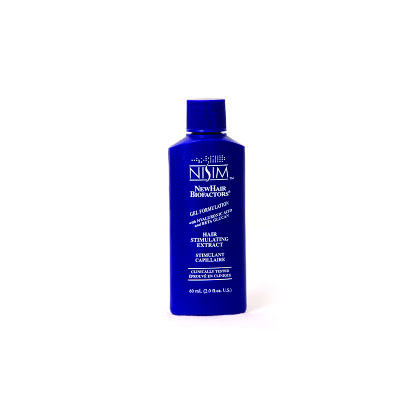
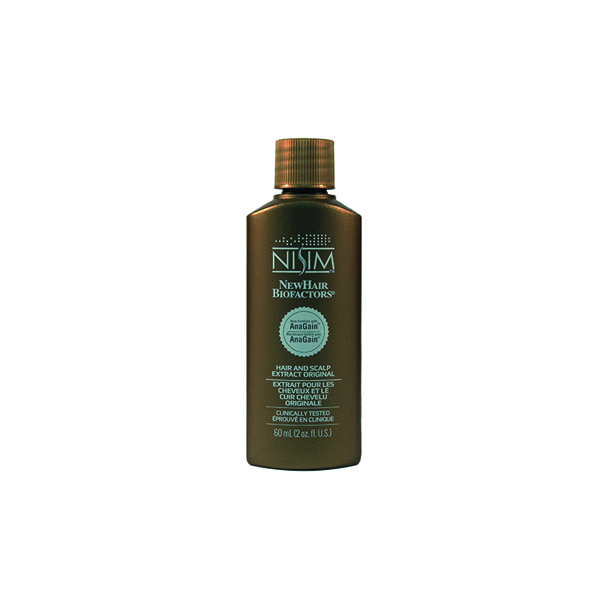
Nisim International

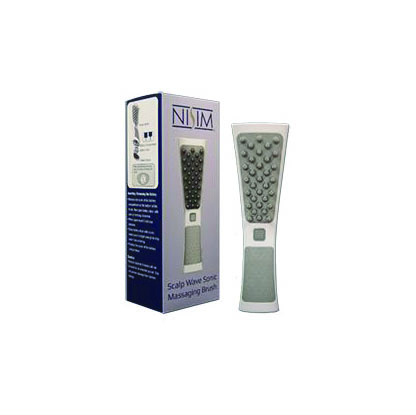
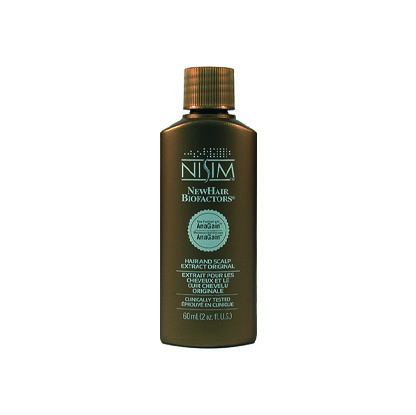
Nisim International has been in business for over 25 years producing quality hair products guaranteed to what they say they will do.

Hair Loss Caused By A Lack Of Iron: Symptoms, Treatment, And Regrowth

Iron deficiency hair loss is an iron-deficiency condition that can affect anybody, regardless of age. Children and women who are menstruating are more likely to get it. Iron deficiency hair loss is a form of cicatricial alopecia caused by a disruption in the hair growth cycle. This may result in significant hair loss or bald


Most cases of iron insufficiency are the result of dietary deficiency or chronic blood loss frequently associated with menstrual cycles, which can be due to an underlying illness. The condition is readily treated once the underlying cause has been identified and treated. Hair regrowth generally begins following treatment begins, but full recovery may take up to six months for individuals who are iron deficient.


Iron-deficiency hair loss is difficult to recognize since the early stages are often painless and not immediately visible, especially in cases of iron deficiency anemia. Iron supplements are usually advised for people who suffer from health issues linked with low iron levels in their blood, such as tiredness or shortness of breath.


Iron deficit hair loss is a form of cicatricial alopecia resulting from an interruption in the hair growth process. The condition can result in significant hair loss and baldness, regardless of age, and it affects men and women at any age. Although it mostly affects menstruating females and children, anyone may get iron-deficiency


Individuals who have health problems such as tiredness or shortness of breath linked to low iron levels in the blood may be advised to take extra iron. Following treatment, hair growth generally begins, but full recovery can take months. Iron deficiency anemia is difficult to detect because the early stages are often painless and not immediately apparent.

image
image
image
image

Hair loss caused by a disruption in the hair growth cycle is known as iron deficiency anemias. Anemia due to low iron affects over 300 million people throughout the world, and it can cause significant hair loss as well as other symptoms including blotchy skin.


Iron Deficiency Hair Loss Is Also Known As:

- Hair loss or baldness due to iron deficiency


- Iron deficiency anemia associated cicatricial alopecia


- Progressive non cicatricial alopecia of childhood due to iron deficiency


- PNCCID


What Is Iron Deficiency Hair Loss?

Deficiencies in vitamin B12, folic acid, and iron can all cause anemia. Anemia is a condition in which the body has insufficient quantities of red blood cells (erythrocytes), also known as hemoglobinopathy.


Deficiency of iron can result from a number of reasons, including pregnancy, menstruation, poor nutrition intake, gastrointestinal bleeding, parasitic infections, hemorrhages caused by fistula formation after surgery or injury, insufficient dietary iron intake over time (such as veganism), celiac disease, irritable bowel syndrome (IBS), chronic renal failure, liver disease, etc.


During periods of development, like infancy, adolescence, and pregnancy, iron requirements are significantly increased. Iron insufficiency is characterized by microcytic anemia, which is a decrease in the size and volume of red blood cells (microcytosis), causing tiredness, lethargy, weakness, or general lack of energy during low-demand situations.


This can manifest as delayed growth and development in children over time. Iron deficiency anemia may be classified by its degree of severity. A ferritin level of 12-200 ng/mL indicates mild iron deficiency anemia, a ferritin level of 1-11 is moderate iron-deficiency anemia.


The human body can contain two types of iron: haem and non-haem. Haem iron is found in the blood mostly in red meats such as beef, pork, veal, lamb, chicken, and fish. Non-haem iron comes from plant sources and other dietary sources like fortified cereal grain products.


Hair loss occurs as a result of both iron deficiency and iron overload. It inhibits red blood cell formation, which includes hair follicles, and it impedes the development of hair shafts, resulting in rough, brittle hair.


image

image
image
image

Low iron levels cause anemia, which means the body has a greater need for iron to manufacture red blood cells. This increased demand for iron can lead to stomach discomfort and long-term bleeding. Iron must be replenished from outside sources such as food or supplements to avoid iron deficiency anemia. Iron deficiency anemia can result from excessive bleeding.


Hair loss from iron deficiency can be an indication of iron deficiency anemia, which is characterized by a low red blood cell count and microcytic hypochromic anemia.


What Causes Iron Deficiency Hair Loss?

Hair loss caused by a lack of iron is quite common. Hair follicles are damaged when the production of red blood cells is reduced as a result of iron deficiency anemia. This can lead to dry, brittle hair that breaks easily and even alopecia. Iron deficiency anemia is defined as low levels of iron in circulation.


What Are The Symptoms?

The first indication of iron deficiency anemia is a reduction in red blood cells. Hair loss as a result of this results in dull or sparse hair that falls out easily. Diarrhea, stomach cramps, intestinal bleeding, headaches, and irritation are all possible symptoms.


How Long Do Symptoms Last?

Deficiency of iron will be treated after the initial attack, and progressive hair loss can generally be reversed over time with iron supplementation.


How Is Iron Deficiency Hair Loss Diagnosed?

A blood test is used to check for low iron levels in the body. A doctor may also look at your skin, nails, and teeth for any abnormalities. If they discover that you have iron anemia, they might prescribe iron supplements to help with hair regrowth.


How Do You Treat Iron Deficiency Hair Loss?

Iron deficiency hair loss can be treated with iron supplementation. Oral iron supplements are the most frequently used method to boost one's body iron levels and induce new hair growth. Maintaining adequate hydration is also important, as it may prevent further gastrointestinal tract irritation.


What Has Been Effective In Treating Iron Deficiency Hair Loss?

Oral supplements containing ferrous sulfate have been shown to help treat iron-deficiency hair loss and promote follicular pigment. Follicular pigmentation is an important element in promoting natural hair growth and regeneration since healthy follicles contain dark pigment.


What Are The Potential Complications Of Iron Deficiency Hair Loss?

Symptoms of iron deficiency include fatigue, an unfocused mind, and even restless leg syndrome. Iron deficiency can lead to other diseases including tiredness, a foggy head, and even restless leg syndrome if left untreated. Sufferers of long-term iron deficit end up with weakened immune systems over time.


Because of this, many people choose to add iron-rich foods into their diet in order to prevent further hair loss. Iron supplements increase the production of red blood cells, which can encourage healthy hair growth in a variety of individuals.


CONCLUSION:


Hair loss caused by an iron deficit is a prevalent condition, but it may be prevented. Iron is an important nutrient for healthy hair development and the prevention of hair loss. This article explores iron deficiency hair loss, its causes, effective treatment methods, and recommendations for regrowing your locks.


Archive