Nisim International

Nisim International has been in business for over 25 years producing quality hair products guaranteed to what they say they will do.

9 Ways to Successfully Repair Your Damaged Hair

Over the last few years, there have been several fun things you can do with your hair. You may braid it up into a beautiful bun, tousle it up into a disheveled mess, or get the rose gold hair color from your hairdresser. One day it's beach waves; the next day, glass hair is smooth and sleek.


However, if you apply too much heat to your hair or do anything else that might be harmful to it, you may end up with damaged, brittle and broken locks. Follow this expert advice to prevent those things from happening or to repair your hair if it has already been harmed.


The next tips will assist you in obtaining better outcomes:

image
image
image
image

1. Lower the Temperature on Your Equipment

May the Lord bless and keep your curling iron, flat iron, and blow dryer. They're the magic wands that transform your boring or unruly hair into beautiful waves and curls or substantial volume. However, there's a cost to all of this heat: damage to your hair from overheating, dryness, brittleness, and flyaways.


Setting the temperature too high when styling hair with heat is one of the most common errors made by experts, according to many. Unless you have extremely thick or coarse hair, a mid-range temperature setting on your instruments will do the trick. When it comes to using heat, avoid it whenever feasible. formulas that promote and retain hair without relying on heat


2. Give Care to WET HAIR

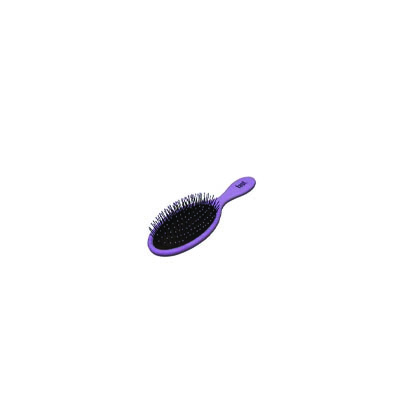
When your hair is wet, it's at its most fragile. And if your wet hair is fine, wavy, or delicate, the danger of harm rises considerably. As a result, handle with great care. Unless you're using a brush designed for the job, don't tug a brush through your wet locks.


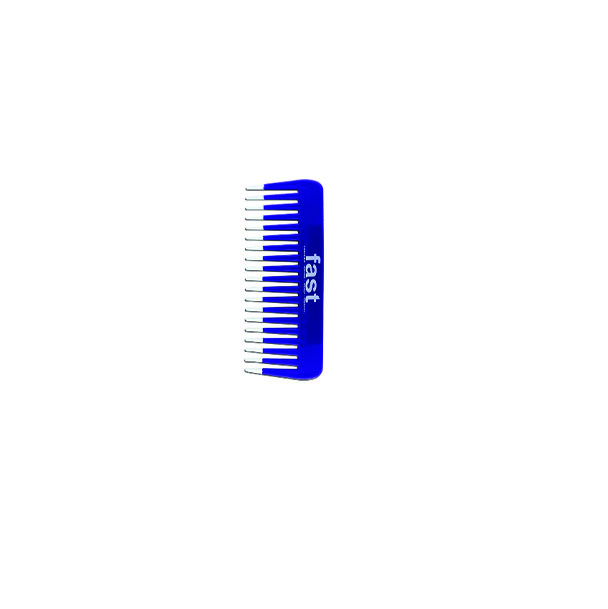
The majority of experts advocate utilizing a wide-tooth comb to detangle wet hair. Avoid vigorous rubbing when you exit the shower. Instead, use a fluffy towel or a microfiber cloth, or a soft T-shirt to softly blot your hair. Friction can cause damage to delicate hair if it's not avoided while wet. When your hair is still damp, don't tie it up with an elastic band—that could lead to breakage.


3. Hair masks are both luxurious and therapeutic.

Hair masks are the covert operations of hair conditioning. Vitamins, oils, and naturally sourced components are just a few of the reparative and moisturizing compounds found in these special treatments. They're also thicker than ordinary conditioners, so they stay put when you apply them to wet hair. These formulations have enough time to work their way into the hair surface more fully and fill in the gaps and cracks that develop on damaged hair's surface. Masks continue to function even after you rinse them out.


Look for a mask that is suited to your hair type, such as color-treated or coarse and unruly. Use your hair treatment mask twice a week or more, consistently. And don't be in a rush: the longer you leave it on, the more effective it will be.


4. Embrace Nisim Biofactors products

Nisim Biofactors treatments and conditioners are like round-the-clock bodyguards for your hair. They serve and protect from shampoo to shampoo because you don’t rinse them out. Like most hair products, Nisim Biofactors products can be matched to your hair type.


5. Sealing Your Bonds

One of the reasons why hair damage occurs when you color or lighten it has to do with the chemicals used in the procedure. To be effective, hair color and lighteners must first loosen the structural connections in your hair. Hair breakage, dryness, and damage are all increased as a result of damaged hair bonds.


Your stylist may use preventative bonding chemicals to your hair color and lightener to avoid bond damage. These chemicals, like the ones that we sell, also take proactive steps to avoid future problems. Professionals in the field of hair health have described professional bonders as "game changers" when it comes to hair health.


6. Remove the Split Ends from Your Hair

Have you ever found yourself with a beautiful piece of cloth in your hand, only to have the tiniest nick unravel a large portion of the garment? That's what happens when your hair strands break. The hair will begin unwinding from the bottom, resulting in a dull, broken, frizzy mess.


Keep your hair supple and strong with strengthening shampoos, conditioners, and leave-in creams to prevent split ends in the first place. Visit your hairstylist for regular trims to keep split ends from spiraling out of control. You don't need to cut much length off—your stylist may merely "dust" the tips to keep your hair healthy, resilient, and un-frayed.


7. Swimming and Sun should be done with caution.

Laps may be beneficial to your body, but they are detrimental to your hair. Hair can become brittle and fragile as a result of saltwater, chlorine, and other pool chemicals. If you're a swimmer, wear a swim cap at all times to preserve your hair color!


If you're going to the beach, protect your hair from too much sun exposure, which may be drying and cause your color to fade. A hat is a good idea! You may also go above and beyond by applying a hair mask before heading out—it will nourish and protect your hair while you're away. Cleanse and moisturize your hair as soon as possible after swimming or lying in the sun with mild, hydrating products.


8. Don't let your hair become dehydrated.

Because dry skin appears cracked and faded, you should never skimp on your moisturizer. Because if your hair doesn't have enough moisture, it becomes brittle and fragile much like your own skin. If you have problem hair, fall victim to a moisturizing program that includes a hydrating shampoo, conditioner, mask, and leave-in product. It's the simplest way to keep your hair from becoming dried out.


9. Shampoo Sensibly and Carefully

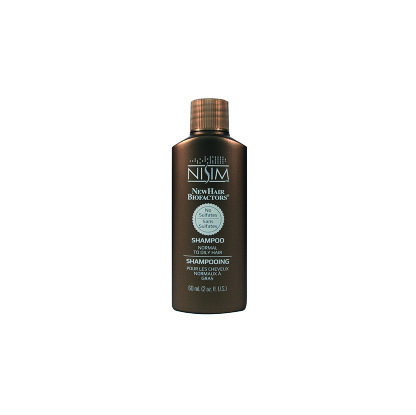
Select a sulfate-free shampoo, like Nisim Shampoo, that is designed for damaged hair. Using shampoos with natural origin components will assist your damaged hair recovery.


Conclusion:


If you want to freshen up your locks, use a dry shampoo on the second or third day. Finally, wash your hair with lukewarm or cold water and finish the process with a shot of chilly water. Cold or icy water can assist damaged hair by sealing off the hair cuticle and forcing the hair shaft to lie flat, resulting in shinier, smoother strands.


Nisim NewHair Biofactors products are designed to help those people suffering from hair loss as well as scalp disorders such as psoriasis. To learn more visit the NewHair Biofactors page on our site.


F.A.S.T. Fortified Amino Scalp Therapy products are designed to get your existing hair growing as fast as possible. In fact in clinical studies an increase of up to 99% faster was observed. Many people have had even better results.


Archive