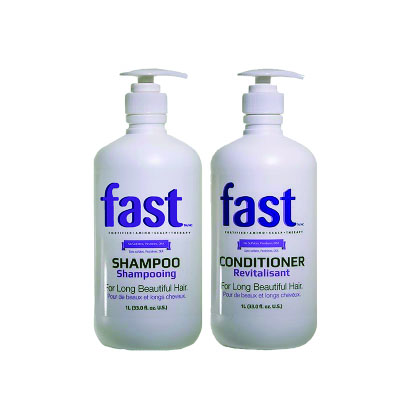
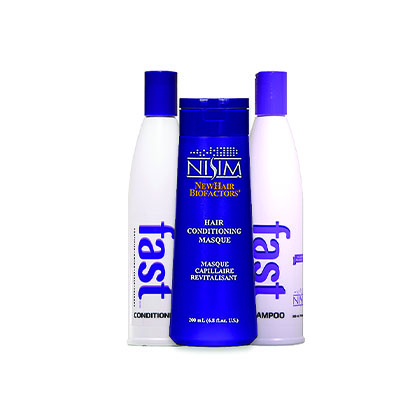
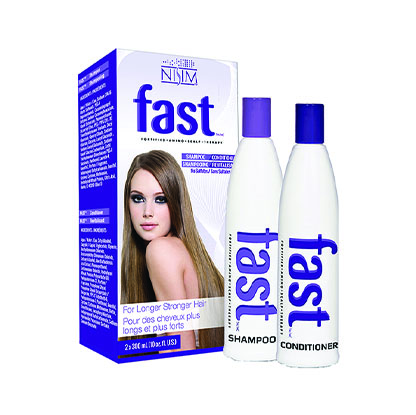
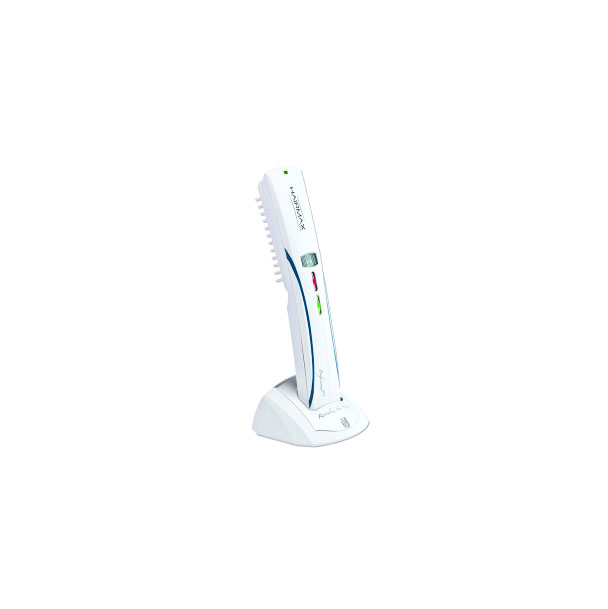
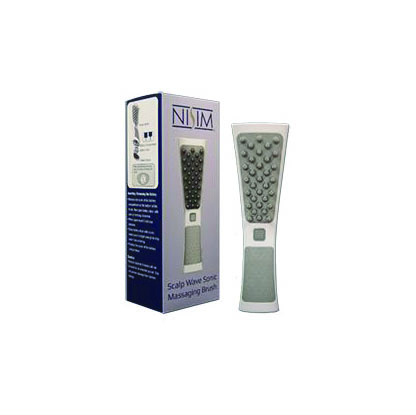
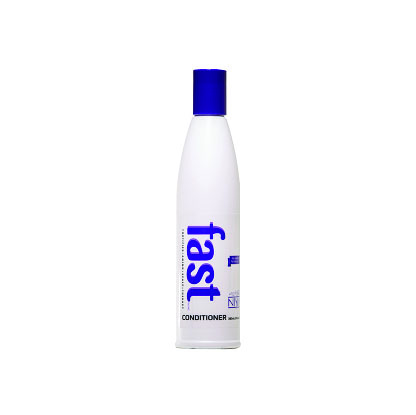
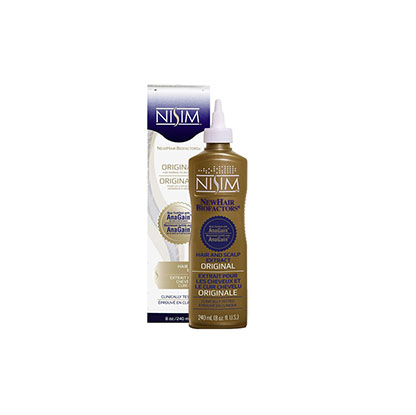
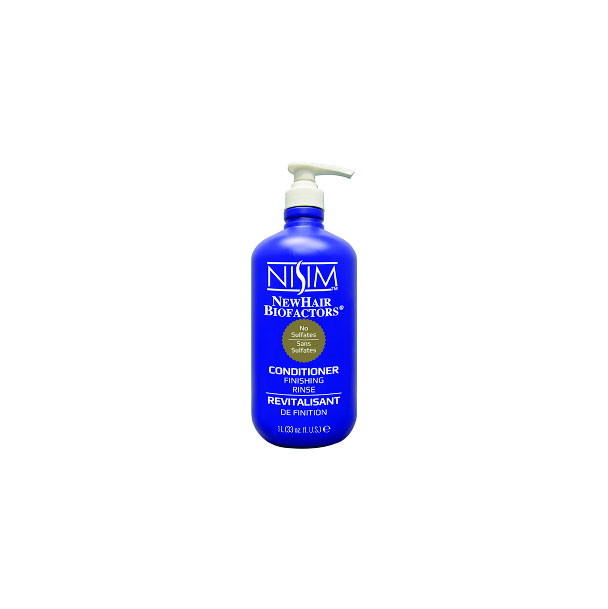
Nisim International has been in business for over 25 years producing quality hair products guaranteed to what they say they will do.
Conditioner is a conditioning or hydrating agent that usually comprises silicones, oils, and emollients, as well as cationic surfactants (soaps or detergents that help to wash away the greasy components of one's hair). These compounds restore moisture to hair after some of it is lost during washing.
There are many sorts of conditioner, ranging from the familiar post-shampoo hydrator to deep conditioner, which is similar to a hair mask in that it's intended to be left on for longer to better penetrate the strands. Deep conditioner (also known as co-wash), which is essentially a hair mask in that it's meant to be left on for longer in order to deeply penetrate the strands; cleansing conditioner (also known as co-wash), which acts as a shampoo and conditioner hybrid that cleanses and conditions at the same time; and leave-in conditioning, a no-rinse treatment that nurtures and protects hair throughout the day are some of the most frequent types.
Conditioning your hair is not as difficult as you might believe. The correct approach, according to Los Angeles-based hairstylist Nathaniel Hawkins, is to apply the product in long, flowing strokes and to squeeze some of the water out of your strands before washing so that it doesn't interfere with the conditioner's effectiveness.
1. Because it makes the hair more robust and healthier than usual, conditioning hair can aid in the reduction of hair loss. This is a beneficial thing for people who suffer from severe hair loss or have a medical condition that causes them to lose their hair frequently, such as Alopecia Areata or Telogen Effluvium, which is basically a lot of excessive hair exiting on top of the typical daily amount of shed hairs. Even if your scalp does not grow back new full heads of hair in either scenario, conditioning your hair will help hair recover in its normal condition, which is beneficial for hair growth even if the hair doesn't grow as thick or full as you had anticipated.
2 . Hair Breakage
Conditioning your hair can also help prevent breakage, which means that any hair loss caused by breakage won't occur because your hair is stronger and healthier than usual. Conditioning your hair isn't going to cause new hairs to grow on your scalp; instead, they will be strong, healthy, glossy, and attractive!
3. Hair Thinning/Hair Loss Prevention
Thinning hair isn't caused by having thin strands of hair; instead, it's due to fragile strands that break off easily when brushed or pulled too hard. Conditioning your hair can make it stronger by strengthening the hair strands from the root of your head all the way to the tips, which will help prevent both thinning and loss of hair.
4. Hair-Loss Prevention/Hair Thinning
Conditioning hair makes hair thicker and healthier than usual, decreasing thinning hair and encouraging breakage that leads to thinning hair or even loss. It also helps with any scalp discomfort by minimizing pain, burning, itching, redness, rash, swelling, etc.
5. Hair Needs a Little Loving Care
Everyone desires their hair to be healthy and attractive, but it may require a little extra attention or conditioning after undergoing a lot recently, whether this is due to hair color, heat damage, hair styling equipment such as a flat iron or curler, or simply because of the weather. Conditioning your hair can aid in the restoration of damaged strands. If you're thinking about dyeing or undergoing any other type of heat treatment on your hair, conditioning it first would be a good idea because the conditioner will assist with any chemical treatments' loss of moisture in your hair.
CONCLUSION:
It's critical not to rinse out all of your conditioners after you shower, since leaving some in will keep your hair moisturized for longer, resulting in less likelihood of being trapped with breakage. Deep conditioning at least once a week with treatments similar to coconut oil, olive oil, mayonnaise, and avocado is also crucial.
There are hair treatments on the market that claim to be hair conditioners but which don't work because all hair conditioners should include some form of oils or moisturizing components.
Now, because of all these reasons, you are probably thinking to yourself that if your hair is naturally dry, frizzy, or damaged and unruly after applying heat to it for an extended period on a regular basis.