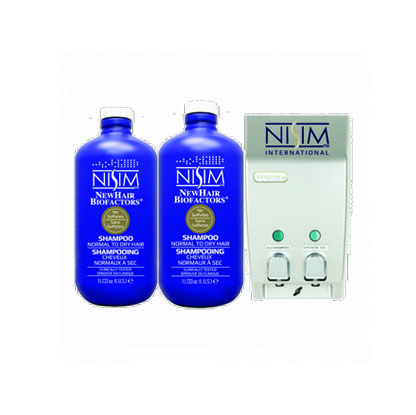
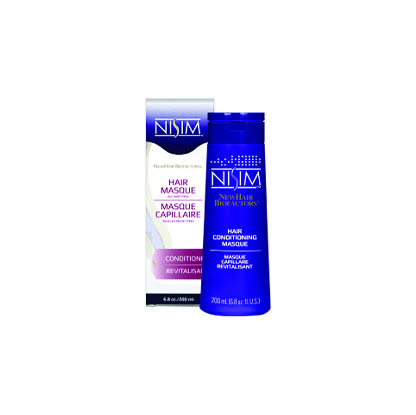
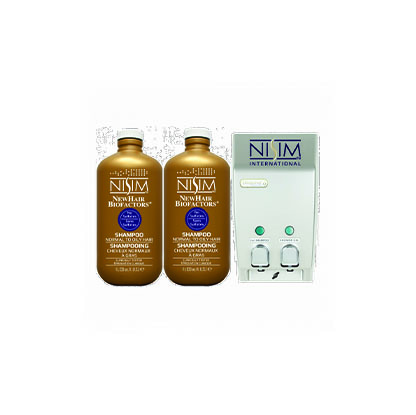
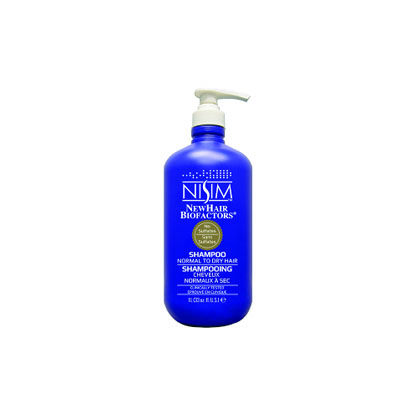
Nisim International

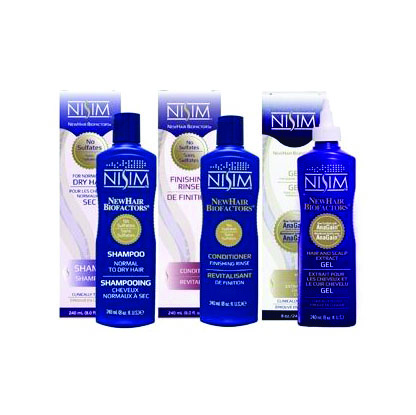
Nisim International has been in business for over 25 years producing quality hair products guaranteed to what they say they will do.

Simple Ways to Control & Reduce Hair Shedding

Most people are surprised when they find out how many hairs are shed naturally each day. According to the University of Utah, it's normal for you to lose about 100 or more strands of hair a day. It is also possible for the average person to lose 30% of their hair in a given day, but this usually only happens when taking certain medications or having stressful events in their life. However, it's also possible for some people to experience hair loss in excess of 50 hairs per day. While the former is normal and nothing to worry about, hair shedding in excess of 100 strands can cause noticeable thinning.


It's a natural process that happens as part of the hair growth cycle. But if you're noticing more hair than usual in your brush, on your pillowcase and shower drain or other areas where it doesn't belong, there are some simple solutions for controlling and reducing shedding.


Before we start, we need to be clear: even though shedding hair is a normal and necessary aspect of the hair growth cycle, it can still feel like a major annoyance. If you’re noticing more hair than usual in your brush, on your pillowcase and shower drain or other areas where it doesn’t belong, here are some simple solutions for controlling and reducing shedding
image
image
image
image

1. Baby Your Hair

One of the best things you can do to ensure that your hair stays healthy is to treat it with care and give it the love it deserves. Start by properly maintaining your hair with a clarifying shampoo and conditioner specifically designed for color treated hair. If you don't have color treated hair, any gentle clarifying shampoo will work. Make sure to rinse thoroughly by massaging the suds into a more lathered lather a few times more before rinsing them out of your hair completely.


During your hair washing routine, focus more on gentle treatments. Don't use hot water or harsh soaps as these can strip the natural oils out of your hair and dry them out.


Conditioner is key to maintaining thick, healthy hair by cleaning each strand. Try to get in the habit of washing your hair daily. Although, if you prefer to wash your hair every other day, it is important that you get into a good conditioning routine


image
image
image

2. Use Oil to Promote Hair Growth

Oil is an extremely beneficial addition to your hair care routine. Coconut oil, almond oil, castor oil and even olive oil are great for promoting healthy hair growth by providing the necessary luster and shine to strengthen your locks.


If you use oil on your hair, make sure to gently comb through the knots before getting in the shower. This will save you a lot of time later and will help prevent breakage (which can lead to more shedding).


Oil also makes your hair feel softer and silkier. It's an excellent thickening agent and can be used to combat thinning hair (although you'll need a stronger oil for this, like castor or coconut)


image
image
image

3. Comb Your Hair Properly

When combing your hair, start at the ends and work your way up. Combing from top to bottom will only cause more breakage and possibly even traction alopecia (hair loss caused by too much tension on a single area). Make sure you avoid any harsh pulling or yanking when putting down your comb; A gentle stroke should suffice.


When you massage your scalp, go slow. Be careful not to tug or pull at the root of your hair. You want to be as gentle as possible in order reduce shedding. If there are tangles near the roots of your hair, it's best to pick them out one by one with your fingers.


Remember not to comb your wet hair. Wet hair is more likely to tangle. When your hair is wet, detangling will be much harder. Wet hair is more easily pulled out. So, if you're washing your hair, avoid combing it until completely dry


image
image
image

4. Watch What You Eat

Watching your weight can have a positive impact on your hair shed rate. If you are going on a diet to lose weight, you may experience some hair loss as the body releases toxins at a faster rate, make sure to eat plenty of protein and vegetables for optimal health. There are also certain foods that you can incorporate into your diet that may help with hair loss and hair regrowth, such as green tea and fish oils.


For your hair to grow at its full potential, it needs plenty of protein, omega fatty acids and iron. Avoid crash diets or any fad diets that require you to completely cut out entire food groups from your diet. These types of diets can have a negative impact on your hormones, which in turn may affect your hair growth rate.


There are many vitamins and nutrients that promote healthy hair growth, such as iron, magnesium, biotin and vitamin B12. You should talk to your doctor or dermatologist before taking supplements or vitamins in order to treat hair loss or make sure they won't interact with any medical treatments you're currently receiving.


If you are already at a healthy weight for someone with your body type and lifestyle, then focus on getting adequate protein by eating lean meats, fish, poultry and protein powder shakes or bars. And remember to stay hydrated and take your vitamins daily


image
image
image

5. Avoid hairstyles that cause Hair Breakage

It is important to keep in mind that your hairstyle can have a major impact on your hair loss rate. According to a dermatologist from Columbia University, tight styles can cause the follicles to become damaged and lead to thinning of the hairs in that area.


If you use a curling iron often, it can lead to hair breakage and split ends. In addition, if your favorite hairstyle is the ponytail or top knot, make sure that you tie those tight knots with a stretchy hair tie. This will help reduce the amount of tugging and pulling on your curls.


You should also avoid wearing tightly pulled back or high ponytails as this could potentially damage the roots at the hairline and cause the hair to fall out. Try wearing your hair in a low ponytail or braid next time you wash it to reduce damage caused by tight styles.


If you notice an excessive number of tangles and breakage after brushing or combing your hair, it may be time to switch up your hair style. Chemical treatments, heat styling and wearing tight ponytails all increase the chances of damaging your hair, which in turn increases hair shedding


image
image
image

6. Minimize Stress

Stress can cause a wide variety of health problems, including temporary hair loss. When you are stressed, your body releases hormones that are responsible for triggering the fight or flight reaction. Among other things, these hormones trigger excess sebum production to help protect your hair strands from damage caused by bacteria during stressful situations.


However, this increased level of sebum also causes more tangles and breakage that shed into your brush over time. If you notice your hair shedding excessively after a stressful event, make sure to get enough sleep and drink plenty of water for healthy hair.


Stress can also cause you to miss a day or two of shampooing which also contributes to increased sebum, tangles and breakage. It also affects your hair porosity - the higher your stress levels, the more porous your hair becomes. This leads to more tangling and breakage because your cuticles are raised and snagging against each other when they meet rather than lying flat on top of one another.


During the hair growth cycle, hair is especially susceptible to damage that can cause it to fall out. When you are stressed, your cortisol levels rise. This causes even more damage to your roots and leads to an increased rate of shedding. You may not be able to control every aspect of your life, but you can change the way that you respond to stressful situations.


Practice stress-relieving techniques when possible. These can include things like exercise, meditation, and simply taking time to yourself when needed. Just don't forget to take time for fun as well


image
image
image

7. Address Traction Alopecia

You may be experiencing excessive hair shedding if you notice thinning in the area where your hair is pulled back tightly into a ponytail or bun. Traction alopecia, also known as hairstylist's baldness, usually happens to people who wear their hair in tight styles like braids and cornrows every day. If you suspect you have traction alopecia, give your scalp a break from tight styles and avoid wearing them too often.


This type of hair shedding can sometimes be prevented. One way is to protect your hair from heat styling tools such as flat irons and curling irons, which can put too much stress on the hair and make it susceptible to breakage. You may also want to avoid coloring your hair with harsh dyes and bleaches.


If you suspect that you're experiencing excessive shedding because of a hairstyle, try a different one! Consider wearing your hair down every once in a while, to let it breathe. Make sure to give your scalp enough time to rest between styles. Don't tie back your hair for more than 3 months at a time.


If it's too late to prevent traction alopecia, you can treat the condition and alleviate your hair shedding by using a special shampoo. Look for one that contains ingredients like caffeine, which helps promote circulation in the scalp and strengthens the hair follicles. A sulfate-free shampoo may also be beneficial. It will help protect color-treated hair from further damage.


It is best not to use hot styling tools if you are experiencing hair shedding because they cause damage and weaken the follicles over time.


If you have tried different hairstyles in the past few months and think your excessive shedding may be caused by something else in your life, consult a medical professional for advice or treatment options. You can also see a hairstylist to get their opinion on what may be causing the problem. The sooner you address the issue, the faster your hair will grow back


image
image
image

8. Control Shedding with Regular Trims

One of the best ways to control hair shedding is by getting regular trims. Shedding can be caused by a variety of factors: heat styling, chemical treatments, and environmental damage caused by the sun and other elements.


Regular trims will help remove any split ends before they have a chance to break off and wind up on your brush or in your shower drain. If you notice split ends on your hair brush after brushing it, schedule an appointment with a hairstylist to have them removed.


Trimming your hair will help remove split ends, which are the leading cause of hair shedding. Its best to get a trim every 6 weeks.


During the summer, your hair may be more prone to shedding because of heat damage from flat irons and blow dryers. Heat damage can also cause split ends that you cannot see, but only feel when your fingers catch on them after you've run your hands through your hair. A regular trim will help remove these split ends


image
image
image

9. Regularly Washing & Conditioning Your Hair

One of the most effective ways to control and reduce excessive hair shedding is by washing and conditioning your hair regularly. Regularly oiling the scalp with a quality shampoo and conditioner will keep it healthy and less likely to produce excess oils that can lead to shedding.When you shampoo and condition, you're coating the cuticle of each strand with a film that will help minimize shedding as well as keep your hair soft, shiny and manageable.


Dirty and unconditioned hair are more likely to be dry and brittle, which will increase hair shedding. Your hair will look healthier and will shed less if you shampoo your hair every day or two.


Depending on your hair type, consider using a volumizing shampoo and conditioner as they will liven up your hair, giving it more body and lessening the likelihood of shedding.  


If you have dandruff or other scalp issues that contribute to excess oils, be sure to use a dandruff shampoo to control flaking on your scalp.While shampooing is an important part of managing excessive shedding, conditioning plays a vital role as well. Be sure to condition your hair from root to tip, paying particular attention to the ends of your hair.


Don't neglect the ends of your hair - if you want to reduce shedding, make sure that you condition both the roots and the tips of every strand.Conditioning not only helps keep moisture in your hair, it also gives each strand strength and shine, which will reduce fizziness and help minimize shedding


image
image
image

10. Take Care of Your Wet Hair

When you wash your hair, it's important to take care of your wet hair so that you don't lose strands. When your hair is wet, the strands are especially weak and vulnerable, so it's easy for them to snap off when being manipulated. To avoid this problem, play it safe by not brushing or combing your wet hair. If you need help with styling it, run a wide-tooth comb through your hair gently while it is still wet. Do not use a brush at all when your hair is wet.


Drying your hair can also be difficult, but you want to make sure that the hair is completely dry before touching or styling it. Using a towel made especially for wavy or curly hair will allow you to ease up on the frizz because it doesn't contain harsh fibers that further damage your wet locks. If you don't have access to these special towels, use a cloth one and avoid rubbing vigorously when drying your hair.


A leave-in-conditioner can help your hair from becoming dry and brittle. It can also protect your hair when you are styling it. The last thing you want to do is ruin your hair by brushing or combing it too much when it's dry, so put the leave-in conditioner to good use and style it with ease


image
image
image

11. Protect your hair from sun damage

Ultraviolet (UV) rays from the sun can damage hair by causing dryness and splitting, as well as breakage. So, resist the urge to pull out the summer dresses and leave your hat at home when venturing outdoors in summer.


Wear a hat with a wide brim to shield your scalp. It is important for any skin that will be exposed (i.e., face, neck, ears, chest) to be protected as well. UV rays can penetrate through clouds and windows, so don't forget sunscreen on your scalp and any skin that will be exposed.


Pull hair up and back to protect it from the sun. It is more important than ever to keep your hair up and off of your face and neck while outside, so that every inch of skin can be protected from UV rays.


Try a hat or bandana with UPF protection. UPF as a rating system will help to determine how much protection your hair and skin is receiving. Any hat or bandana with an UPF above 30 offers the highest level of UV ray protection.


When spending time outdoors during off-peak hours (before 10am or after 4pm), apply sunscreen before going outside to protect your hair from sun damage. UV rays from the sun can damage your hair, including both color and strands. Try to avoid sun damage while going about your daily routine.


You should take extra care of your hair in sun right after styling them, as heat can make your hair porous and easily breakable, leading to more hair loss


image
image
image

12. Consider taking supplements

Most of the time, hair shedding is caused by lack of certain vitamins. While you may not be able to change your vitamin intake, it's important for people who are shedding more than 100 hairs per day to take a high-quality biotin supplement.


Biotin supplements can help to strengthen your existing strands of hair and reduce the amount that you are shedding each day. They also help to boost your hair's elasticity, which can reduce the breakage that you're experiencing.


Your hair also needs essential fatty acids in order to grow and stay healthy. Omega-3 supplements can help to provide your hair with the necessary nutrients, allowing it to grow as long as possible so that you don't have additional strands of hair falling out.


Take iron supplements. If your hair loss is due to anemia, taking supplemental iron might help. It’s not clear how well this works, because most people with problem hair shedding are not anemic. However, even if you are not anemic, it won’t hurt to try it.


Hair supplements not only improve the health of your existing hair, they also provide a foundation for new hair growth. It also reduces the shedding that is typically experienced during this time of growth.


Your growing hair also need protein to survive. Without it, your hair can become fragile and brittle, causing breakage that results in many hairs falling out of your head. While protein is abundant in healthy diets, supplements are also an option for people who are experiencing excessive hair shedding


image
image
image

13. Watch Your Sleep Schedule

Sleep plays an important part in regulating your hair growth. When you don't get enough sleep, it is reported that your cortisol levels increase which is a symptom of stress. If your body senses chronic stress, this could cause an abnormally high amount of hair shedding the next day.


Lack of sleep is one of the leading causes of excessive hair shedding. If you notice yourself losing more hair during the day than usual, you might consider getting a full night's sleep and sleeping in an extra hour or two if needed to help control your hair shedding.


Having a good night's sleep helps offset the effects of stress on your body, which in turn keeps you from shedding more hair each day.Here are some simple ways to control your hair shedding by changing around your sleeping schedule:


Go to bed earlier if needed.


Routinely get an extra hour or two of sleep when you have ample time.


Make sure that your sleep schedule is in order.


Try to avoid staying up late or sleeping in on the weekends


image
image
image

14. Exercise regularly

Studies have shown that an exercise routine can increase blood flow to the scalp. Blood flow helps with hair growth and may aid in reducing hair shedding. By exercising regularly, you'll also help ensure your hair is properly nourished by the vitamins and minerals it needs to grow thick and strong.


Exercising can also help increase your self-esteem. Exercise can make you feel happy and less stressed, which in turn may reduce the amount of hair you lose due to stress. So, if your schedule allows for it, make time for exercise regularly


image
image
image
Archive